
The Rise of Kaspa Mining in 2025

In 2025, cryptocurrency mining is witnessing a monumental shift, with Kaspa (KAS) emerging as one of the fastest-growing Proof-of-Work (PoW) cryptocurrencies. Powered by the revolutionary blockDAG architecture, Kaspa has become a top contender for miners globally. After experiencing over 1600% price growth in 2023, the project has garnered significant attention from miners, developers, and institutional investors alike.
With Ethereum’s merge moving its network from PoW to PoS, many miners who previously relied on GPU mining have turned their focus to Kaspa mining due to its fast-growing ecosystem and PoW consensus. Australia, with its abundant renewable energy resources, vibrant crypto communities, and growing infrastructure, is poised to become a global hub for Kaspa mining.
This guide will explore how Kaspa mining works, the hardware options for Aussie miners, and strategies to maximise profitability in the Kaspa ecosystem.
Understanding the Kaspa Network: Why It’s Different
A. What is Kaspa?
Kaspa is a decentralised, open-source cryptocurrency that aims to restore the ethos of fairness in the crypto world. With no premine or initial coin offering (ICO), Kaspa is a truly community-run protocol. Updates and governance are driven by a decentralised developer ecosystem, ensuring that no single entity can control the network.
B. Technological Innovation: BlockDAG vs Traditional Blockchains
At the core of Kaspa’s revolutionary design is its GhostDAG protocol, which utilises blockDAG rather than a traditional linear blockchain. This allows Kaspa to process multiple blocks simultaneously, significantly improving scalability and reducing confirmation times.
- Kaspa produces new blocks every 1 second, compared to Bitcoin’s 10-minute block times, resulting in faster transaction processing and increased throughput.
- The blockDAG architecture is also less susceptible to centralisation, ensuring a more secure and decentralised network.
C. PoW Consensus with Modern Efficiency
Unlike Ethereum, which transitioned to Proof of Stake (PoS), Kaspa retains the PoW consensus mechanism but optimises it for parallelism and speed. This makes Kaspa compatible with ASIC miners, while still prioritising energy-conscious mining to maintain efficiency.
D. A Scalable, Secure, and Decentralised Vision
Kaspa’s ability to scale effectively, combined with fast block times and high throughput, ensures that the network remains resistant to centralisation. This makes Kaspa the most scalable, secure, and decentralised PoW cryptocurrency in 2025, positioning it as a strong contender in the competitive mining space.
How Kaspa Mining Works in 2025
A. The Role of Kaspa Miners

Kaspa miners are responsible for validating transactions and ensuring the integrity of the network. They achieve this by adding blocks to the blockDAG through solving cryptographic puzzles using computational power.
B. Mining Workflow: From Setup to Reward
The typical mining workflow for Kaspa mining involves several key steps:
- Hardware Selection: Choose a suitable ASIC miner for your setup.
- Wallet Setup: Set up a Kaspa-compatible wallet to receive your mining rewards.
- Pool Connection: Join a mining pool to combine computational power with other miners.
- Miner Configuration: Configure your ASIC miner with the correct settings and pool details.
- Active Monitoring: Monitor your miner’s performance and troubleshoot any issues.
C. Reward Distribution and Emission Model
Kaspa’s reward system features a unique monthly emission reduction of around 5.94% each month. This contrasts sharply with Bitcoin’s quadrennial halving, creating a sense of urgency and greater profit opportunities in the short term.
ASIC Dominance in 2025: Why GPUs Are Out

A. Transition from GPU/FPGA to ASICs
Following Ethereum’s shift to PoS, many miners who had previously relied on GPU and FPGA mining have pivoted to Kaspa. Initially, GPU mining was profitable, but as the network hashrate skyrocketed by over 1000% YoY in 2024, ASIC miners became essential for profitability.
B. Current ASIC Landscape
Some of the dominant ASIC models for Kaspa mining in 2025 include:
- Bitmain Antminer KS5 Pro – 21 TH/s, 3150W
- IceRiver KS5M, KS5L, KS3, KS2 – Mid-tier models for different budget ranges
C. ASIC Advantages
- Lower joules per terahash (J/TH) ensure better energy efficiency.
- Purpose-built hardware guarantees a longer lifespan and higher yield per watt.
- Hardware payback periods are shorter than GPUs, making ASICs a more profitable option for Kaspa mining in 2025.
Mining Profitability Variables: What Impacts ROI in Australia?
1. Kaspa’s Market Price
The price of KAS tokens directly affects daily mining revenue. Historical data shows that KAS rose from around $0.008 to $0.18 before correcting to $0.06, demonstrating significant fluctuations. Daily tracking tools, DCA strategies, and price alert mechanisms are essential to stay ahead in this volatile market.
2. Electricity Pricing by Region
Energy costs are the largest variable expense in any mining operation. In Australia, regional comparisons are key to optimising costs:
- NSW/VIC: Grid-tied mining is more expensive, leading to longer ROI unless miners use solar or hosting.
- SA/QLD/WA: Higher renewable energy penetration offers opportunities for solar-powered setups, significantly reducing operational costs.
Strategies like off-peak metering, time-of-use tariffs, and solar rebates can enhance ROI for Aussie miners.
3. Hashrate vs Network Difficulty
As more miners join the network, network difficulty adjusts, reducing rewards for the same hardware. For example, the network hashrate increased from 132 PH/s to over 1.4 EH/s in 12 months. To remain profitable, miners must:
- Scale up hashrate
- Optimise uptime
- Regularly upgrade hardware
4. Hardware Energy Efficiency
The J/TH metric is crucial for evaluating energy efficiency. For example, the KS5 Pro has an efficiency of around 150 J/TH, making it one of the most energy-efficient options. Proper cooling and thermal management are particularly important in hotter regions like QLD and NT.
5. Pool Fees, Reward Systems, and Uptime
Different mining pools offer varying payout structures and fees. Popular pools for Kaspa mining include:
- ViaBTC: Offers PPLNS & SOLO payout systems
- Mining Store: Known for low fees and efficient infrastructure
- KaspaPool: Specialises in KHeavyHash and ensures high stability
Key considerations include uptime, payout thresholds, and rejection rates.
Comparing Kaspa Mining to Bitcoin, Litecoin, and Dogecoin
Comparative Analysis
| Cryptocurrency | Block Time | Network Difficulty | Energy Consumption | Emission Schedule | ROI Potential |
| Kaspa | 1 second | High | Lower | Monthly reduction | High |
| Bitcoin | 10 minutes | High | High | Quadrennial halving | Moderate |
| Litecoin | 2.5 minutes | Moderate | Moderate | Every 4 years | Low |
| Dogecoin | 1 minute | High | High | Every 4 years | Low |
Why Kaspa Outperforms in 2025
Kaspa excels in terms of efficiency, scalability, and decentralisation. With its blockDAG architecture and PoW consensus, it remains a more energy-efficient and future-proof choice for miners compared to Bitcoin and other altcoins.
Operational Setup Guide: Step-by-Step for Australian Miners

1. Purchase & Set Up Your ASIC
Ensure your power infrastructure can support the high energy demands of your miner (e.g., KS5 Pro uses 3150W). Surge protection and industrial-grade cooling systems are recommended, especially in high-heat environments.
2. Internet Configuration
For optimal performance, Ethernet is preferred over Wi-Fi to minimise latency. A backup UPS is also recommended to mitigate power fluctuations.
3. Create and Link Your Wallet
Use a Kaspa-compatible wallet (e.g., KASVault) and ensure your wallet address starts with kaspa: to be recognised by the network.
4. Mining Pool Configuration
Add primary and backup mining pools to your configuration, adjusting difficulty settings as required.
5. Monitoring and Troubleshooting
Use tools like HiveOS or Mining Store’s Profitability calculator to monitor miner performance, paying close attention to reject rates, overheating, and hashrate drops.
Cost Management Strategies for Aussie Miners
A. Control Operating Costs
- Invest in efficient power supplies (e.g., 80 Plus Platinum).
- Explore eco-mining techniques like reusing heat for home heating or water heating.
- Consider second-hand ASICs for lower upfront costs.
B. Use Hosting or Co-location Mining
For miners looking to avoid home setup hassles, hosting in data centres provides:
- Lower power costs
- 24/7 maintenance
- Bulk discounts
Mining Store offers hosted KS5 Pro units for those seeking professional mining solutions.
C. Tax & Financial Tools
Utilise tax reporting tools like Koinly or CoinTracking to track mining rewards and expenses, ensuring compliance with Australian tax laws.
Risks of Centralisation as ASIC Adoption Grows
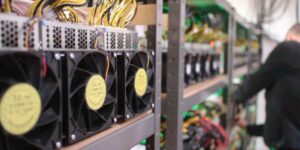
With the rise of institutional players in Kaspa mining, there is a concern about potential centralisation of the network’s hashrate. However, blockDAG architecture ensures that Kaspa remains resistant to centralisation, preserving its decentralised ethos.
Choosing the Right Kaspa Mining Pool
A. Why Mining Pools Matter for Profitability
Solo mining Kaspa in 2025 has become nearly impossible for individual miners due to the rising network difficulty and hashrate. Mining pools allow miners to combine their computational power, which increases the chances of solving blocks and receiving proportional rewards based on their contributions. Pools help stabilise income by distributing block rewards among participants, reducing the volatility that comes with solo mining.
B. Key Features to Evaluate in a Kaspa Mining Pool
When choosing a Kaspa mining pool, there are several factors to consider to ensure the best profitability and stability.
Payout Structure
- PPLNS (Pay Per Last N Shares): Offers higher variance but lower fees, with rewards depending on recent valid shares. This structure is ideal for miners who want to maximise their potential earnings without sacrificing too much on the fee side.
- PPS+ (Pay Per Share Plus): Offers more predictable earnings and lower variance, but typically comes with slightly higher fees. This payout model is suitable for miners who prefer consistent payouts and less fluctuation.
- SOLO: The entire block reward goes to the miner who finds the block, offering a high-risk, high-reward scenario. SOLO mining is not recommended for most miners in 2025 due to the increased difficulty and competition.
Recommendation: PPLNS or PPS+ are the most optimal choices for miners looking for consistent and reliable earnings in Kaspa mining.
Minimum Payout Thresholds
Each mining pool has its own minimum payout threshold, typically ranging from 10 KAS to 100 KAS. Pools with lower payout thresholds allow for faster withdrawals and better cash flow management, which can be important for miners looking for more regular payouts.
Fee Structure
Fees vary between pools, typically ranging from 0.5% to 2% of earnings. Some pools even offer zero-fee promotions for new miners, which can be beneficial for those starting out. Always consider the fee structure when evaluating the profitability of a pool, as lower fees can significantly boost long-term returns.
Geographic Server Availability
The closer a pool’s servers are to your location, the lower the latency and the higher the share acceptance rate. For Australian miners, it is advisable to choose a pool with Australia-based or Asia-Pacific servers to reduce ping times and network delays. This ensures more efficient mining and reduces the risk of missed rewards.
Uptime and Stability
The stability of a mining pool is critical for consistent mining performance. Look for pools that guarantee 99.9%+ uptime and have robust DDoS protection. Extended downtime can lead to missed rewards and affect your mining efficiency.
Pool Dashboard & Monitoring Tools
Many pools offer real-time hashrate tracking, worker performance charts, and mobile app support to make it easier for miners to monitor their mining operations. Additionally, some pools provide detailed reward history and profitability insights, helping miners track their progress and optimise their setups. Pools with easy-to-use dashboards and robust monitoring tools can improve your mining experience significantly.
Recommended Kaspa Mining Solution: Mining Store’s Hosting Platform

For miners seeking a hassle-free, scalable, and cost-effective way to mine Kaspa, Mining Store offers one of the best solutions in Australia. With industry-grade infrastructure and flexible ASIC miner support, it’s an ideal choice for those who want to avoid the complexities of setting up and managing mining operations.
Why Host Your Kaspa Miners with Mining Store?
| Feature | Benefit |
| Low-Cost Energy | Access bulk electricity rates at just 12c AUD/kWh in Mining Store’s EU facility, which is much lower than Australian grid prices. |
| No Technical Setup | Mining Store takes care of all setup and configuration. Simply choose your mining pool, and they handle the rest. |
| Zero Infrastructure Investment | Avoid upfront costs on networking, cooling, and power systems. Miners are hosted in high-performance, modular data centres. |
| On-Site Maintenance & Repairs | Dedicated service centre ensures miners are kept operational with minimal downtime due to hardware issues. |
| No Noise or Heat at Home | ASICs like the KS5 Pro generate noise and heat. Hosting remotely keeps your home quiet and cool. |
| Easily Scalable Mining Operations | Easily expand your mining fleet without worrying about building additional infrastructure. |
| Hands-Free Passive Income | 100% remote miner management; you don’t need to monitor uptime, perform maintenance, or update firmware. |
| Powered by Renewables | The facility is powered by solar and wind farms, ensuring environmentally friendly mining aligned with ESG principles. |
| 24/7 Monitoring & Remote Dashboard Access | Track your miner’s performance in real-time via a dedicated control panel, with all security, cooling, and power management handled by the experts. |
How It Works
- Buy your ASIC Miner (e.g., KS5 Pro) through Mining Store.
- Choose between Hosted (in Mining Store’s EU facility) or Shipped (for local setup).
- Provide your Kaspa wallet address and preferred mining pool.
- Mining Store installs, configures, and manages your miner on your behalf.
- Monitor your rewards from anywhere in the world through the remote dashboard.
Hosting Built for the Kaspa Mining Era
Mining Store’s hosting service is specifically designed for ASIC-heavy workloads and is compatible with the latest Bitmain and IceRiver models. With a team of experts with decades of combined mining experience, Mining Store provides transparent pricing, full support, and remote infrastructure management tailored to the needs of Kaspa miners.
Mining Store’s Flagship Miner: Bitmain Antminer KS5 Pro
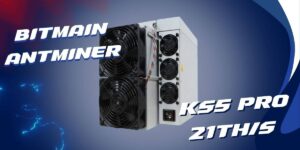
Featured Product: Bitmain Antminer KS5 Pro (21 TH/s)
- Mining Store Price: $24,899.00 AUD (inc. GST)
- Algorithm: kHeavyHash
- Hashrate: 21 TH/s ±10%
- Power Consumption: 3150W
- Efficiency: ~150 J/TH
- Warranty: Standard Bitmain warranty
Purchase Options:
- Hosted Miner: Shipped to Mining Store’s EU Data Centre within 3–4 weeks and managed for uptime and performance.
- Shipped Miner: Delivered to the customer within 5–7 business days via FedEx/DHL/UPS.
Why Choose Mining Store?
- Leading Australian crypto mining supplier with over 10 years of experience.
- Local team with a deep understanding of Australian power conditions and climate factors.
- Trusted support, GST-compliant, and comprehensive warranty processing.
Buy Now:
👉 Order the Bitmain KS5 Pro – Hosted or Shipped
For custom orders or detailed ROI consultations, contact the Mining Store team today!
Conclusion: Is Kaspa Mining Worth It in Australia 2025?
Yes, Kaspa mining is highly profitable in 2025, but success requires careful execution. By investing in the right hardware, leveraging low-cost power sources, using efficient mining software, and selecting the right pools, Aussie miners can maximise their ROI in the Kaspa ecosystem.
Australia’s renewable energy infrastructure and mining community make it an ideal location for Kaspa mining, offering unique advantages for miners willing to take the plunge.
Start Mining Kaspa with Mining Store
If you’re ready to dive into Kaspa mining, Mining Store offers the best-in-class hardware solutions and expert guidance to get you started.
Buy the Bitmain Antminer KS5 Pro for unmatched efficiency and high ROI. Whether you want to mine locally or host offshore, Mining Store provides flexible fulfilment options and full support