
Hosted SMSF Bitcoin Mining in Australia 2026

Hosted SMSF Bitcoin mining sits at the intersection of three distinct subjects. First, it draws on Australian self managed superannuation and the strict rules that govern it. Second, it relies on Bitcoin mining infrastructure and the specialised hardware that secures the network. Third, it depends on commercial ASIC hosting, where a facility runs the machine on the owner’s behalf.
Buying Bitcoin through an SMSF and mining Bitcoin through an SMSF are not the same investment activity. A fund that buys Bitcoin simply acquires an existing digital asset. By contrast, a fund that mines Bitcoin purchases or controls productive equipment, and it then uses that equipment to generate new cryptocurrency rewards.
Importantly, hosted mining does not remove the trustee’s responsibilities. The facility can operate the hardware, yet the SMSF trustees remain responsible for investment decisions, compliance, asset ownership, documentation, wallet controls and oversight of service providers. In other words, outsourcing the technical work never outsources the legal duty.
This article answers one central question. Can the arrangement demonstrate that the SMSF owns a genuine asset, controls where its mining rewards are paid, receives all economic benefits and has made the investment for retirement purposes on commercial terms?
A short risk statement belongs here too. Bitcoin mining returns are not guaranteed, and they depend on the Bitcoin price, network difficulty, block rewards, transaction fees, ASIC efficiency, electricity prices, uptime, pool charges, taxation and equipment life. Consequently, trustees should treat every projection as an estimate rather than a promise.
What Hosted SMSF Bitcoin Mining Means in Australia
It helps to define each component separately before combining them. Each term carries a specific meaning, and confusion between them causes most of the compliance problems trustees encounter.
Hosted Mining
Hosted mining generally means the customer owns an identifiable ASIC miner while the machine is installed and operated at a third party data centre or mining facility. The host normally supplies rack or floor space, electricity, ventilation or liquid cooling, internet connectivity, physical security and miner monitoring. In addition, the host usually handles routine maintenance, repair coordination, remote management and pool configuration assistance.
A key point often gets missed. The host may physically possess the ASIC without owning it. Therefore this distinction must be documented through invoices, serial numbers, asset registers and the hosting contract. Possession and ownership are separate concepts, and an auditor will expect to see both addressed clearly.
Self Managed Super Fund
A self managed super fund is a private superannuation fund whose members are generally also its trustees, or directors of its corporate trustee. The trustees control investment decisions, yet they must operate the fund solely to provide permitted retirement or death benefits.
This section deliberately stays brief. For detailed trustee structure, establishment steps and contribution information, readers should consult a dedicated SMSF guide and licensed advice. The focus here remains the narrower question of hosted Bitcoin mining inside that structure.
Bitcoin Mining
Bitcoin mining is the use of specialised computing equipment to perform proof of work. Miners repeatedly hash candidate block data while trying to produce a hash below the Bitcoin network’s target. A successful miner or mining pool then proposes a block, and Bitcoin nodes independently verify whether that block follows the protocol rules.
One common oversimplification deserves correction. Miners do not have unilateral power to declare transactions valid. Instead, nodes validate the rules, while miners order transactions and perform the proof of work used to secure the chain. This distinction matters when trustees assess what they are actually paying for.
Combined Definition
Now the terms come together. In a hosted SMSF Bitcoin mining arrangement, the fund owns the mining hardware, a host operates that hardware, and a mining pool measures the contributed work and distributes the resulting Bitcoin rewards to a wallet controlled for the SMSF. Each party plays a defined role, and the evidence trail should reflect that structure at every step.
How Hosted SMSF Bitcoin Mining Works
Hosted SMSF Bitcoin mining follows a clear operational sequence, from the first trustee decision through to the final accounting records. Understanding that sequence helps trustees see where ownership, control and evidence must be preserved.
Trustee Approval
First, the trustees assess whether Bitcoin mining is permitted by the trust deed and consistent with the fund’s written investment strategy. They weigh diversification, expected returns, liquidity, risk, insurance and the members’ retirement objectives. Only after that assessment should any purchase proceed.
ASIC Purchase
Next, the SMSF purchases the ASIC using money from the SMSF bank account. The tax invoice should name the SMSF trustee in its trustee capacity, and it should identify the machine by model and serial number. Trustees should avoid allowing a member to buy the machine personally and transfer it later without advice, because acquiring assets from members or other related parties can engage restrictions under superannuation law.
Hosting Appointment
The trustee then enters a written agreement with the facility. That agreement records that title remains with the SMSF, and it explains the host’s limited authority to operate, service or relocate the equipment. A clear contract protects the ownership position if a dispute ever arises.
Miner Configuration
After delivery, the ASIC is configured with the mining pool address, a unique worker name, the SMSF’s pool account, the payout wallet nominated by the trustee, the correct network and firmware settings, and monitoring credentials. Each setting ties the machine to the fund rather than to any individual. As a result, the pool can attribute work and rewards to the SMSF alone.
Mining Operation
The machine then consumes electricity and generates SHA 256 hashes continuously. It submits shares to the pool as evidence of work. The pool uses those shares to calculate the fund’s reward under its chosen payment method.
Reward Payment
Subsequently, the pool credits Bitcoin to the mining account and sends payouts to the SMSF controlled wallet once the applicable threshold or schedule is reached. The payout destination should never change without trustee authority. This single control protects the fund’s economic benefit.
Reconciliation and Audit
Finally, pool statements, wallet transactions, hosting invoices, repair records and accounting entries are reconciled. The auditor then tests ownership, income, expenses, valuation and compliance. Good monthly records make this final step straightforward rather than stressful.
The Hosted Mining Ownership Chain

This is one of the clearest and most important ideas in hosted SMSF Bitcoin mining. Ownership, possession, operation, custody and economic benefit are five separate concepts, and a strong structure keeps them aligned with the fund.
Consider the role of each party. The SMSF owns the ASIC and controls the payout wallet. Under a limited contractual mandate, the host possesses and operates the machine. Meanwhile, the mining pool measures the work and distributes rewards. Each role is distinct, and none of them should quietly transfer the fund’s ownership or control to someone else.
A robust structure lets an auditor trace money and assets in both directions. In one direction, the trail runs from the SMSF bank account to the ASIC purchase and the hosting costs. In the other direction, it runs from the ASIC’s mining work to pool records, wallet receipts and the fund’s financial statements. When both directions reconcile, the ownership chain holds together.
Bottom line: hosted SMSF Bitcoin mining works when the fund can prove it owns the hardware and controls the rewards at every link in the chain.
Hosted Mining Compared With Home Mining and Cloud Mining
Trustees frequently confuse three very different models. A short comparison resolves most of that confusion before it causes a compliance problem.
| Feature | Home mining | Hosted mining | Cloud mining or hashrate contract |
| Who owns the ASIC | The fund, at a member’s premises | The fund, at a commercial facility | Often no identifiable machine |
| Who runs it | The member or trustee | The hosting facility | The provider |
| Electricity and cooling | Paid by the fund at home | Included in the hosting rate | Bundled by the provider |
| Ownership evidence | Strong if documented, but sole purpose risk | Strong when serial number and contract exist | Frequently weak or absent |
| Main SMSF risk | Private use and sole purpose breaches | Host insolvency and contract terms | Managed scheme and licensing concerns |
The label a provider uses is not decisive. A product marketed as mining can still be a pooled investment or a managed return arrangement, especially where the customer does not genuinely own or control mining equipment. Substance always outranks branding.
The Federal Court decision concerning NGS Crypto illustrates the point. In December 2025, the court found that related NGS companies operated a financial services business without a licence and ran an unregistered managed investment scheme, having encouraged investors to set up SMSFs to buy blockchain and Bitcoin mining packages that promised fixed returns. This does not mean every cloud mining arrangement is unlawful. Rather, the regulatory classification depends on the actual rights, pooling, control and promised returns in the specific arrangement.
Hosted Mining Models an SMSF May Encounter
Trustees are likely to meet several commercial structures. Each one carries a different ownership and compliance profile, so the differences matter.
Customer Owned ASIC Hosting
Here the SMSF buys a specific ASIC and pays a facility to operate it. This model generally provides the strongest ownership trail, particularly when the serial number, location, pool worker and return process are documented. For most trustees, it is the cleanest option to evidence.
Provider Supplied ASIC Hosting
In this model, the provider sells the machine and hosts it at the same time. Trustees should still require separate or clearly itemised documentation for the hardware purchase and the ongoing service charges. Bundling the two can blur the ownership position if it is not carefully recorded.
Lease or Equipment Finance
Sometimes the SMSF pays to use an ASIC without acquiring immediate ownership. Borrowing, leasing and security arrangements can create additional superannuation law issues, and they usually require specialist advice. Trustees should never assume a lease behaves like a purchase.
Hashrate Contracts
Under a hashrate contract, the fund buys a contractual quantity of computing power rather than an identified machine. Consequently, the legal and regulatory character can differ substantially from direct ownership of an ASIC. Trustees should treat these contracts with particular caution.
Pooled Mining Investment Packages
In a pooled package, capital is combined and the provider controls the operation and distribution of returns. These arrangements require careful scrutiny for managed investment scheme and financial services implications. The NGS Crypto case shows why that scrutiny is essential.
Managed Wallet Arrangements
Finally, some hosts or providers collect rewards before transferring them to the fund. Direct pool payment to an SMSF controlled wallet generally creates a cleaner evidence trail. Therefore trustees should prefer direct payment wherever the pool allows it.
How Bitcoin Mining Produces Rewards
Bitcoin mining can be explained without assuming technical knowledge. The process follows a repeatable sequence, and each step adds a layer of security to the network.
The sequence runs as follows. First, transactions are broadcast to the Bitcoin network. Next, miners assemble candidate blocks from those transactions. Then ASIC miners repeatedly change data and calculate SHA 256 hashes at enormous speed. Meanwhile, a pool divides the work among participating machines. When a valid proof of work appears, the pool may propose the next block. Bitcoin nodes then validate that block independently. The successful block contains the block subsidy and transaction fees. Lastly, a mining pool distributes the value according to its payout rules.
Several related terms often cause confusion, so clear definitions help. The block subsidy is the new Bitcoin created with each block. Transaction fees are extra payments users attach to move their transactions sooner. Pool shares are proofs of work a miner submits to the pool. Accepted shares count toward the reward, while rejected shares and stale shares do not. Network difficulty measures how hard it is to find a block, and it adjusts over time. Block discovery is the moment a valid block is found, and pool luck describes natural variance around the expected rate.
One point prevents a common misunderstanding. Submitting a share does not mean the machine has mined an actual Bitcoin block. Shares are lower difficulty proofs that the pool uses to measure each worker’s contribution. In practice, a single machine may never find a full block on its own, yet it still earns a fair share of pooled rewards.
What ASIC Miners Do
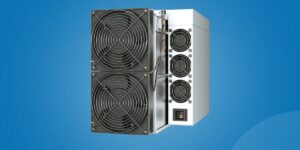
An application specific integrated circuit miner is hardware designed to perform one mining algorithm efficiently. Bitcoin ASICs are built specifically for SHA 256 mining, and they are not general purpose computers. That narrow focus is exactly what makes them so fast.
Ordinary laptops, desktop computers and graphics cards are no longer commercially competitive for Bitcoin mining. The network’s scale and difficulty now favour highly specialised hardware by a wide margin. As a result, serious Bitcoin mining relies almost entirely on modern ASICs. Trustees comparing machines can review the current range of ASIC miners at Mining Store Australia to see typical specifications.
ASIC Selection Criteria
Choosing a machine involves more than headline hashrate. Trustees should examine the purchase price, nominal hashrate, power consumption and energy efficiency. They should also weigh the cooling method, electrical input requirements, noise level and physical dimensions. Finally, firmware, warranty, repair availability, expected operating life, resale value and hosting compatibility all affect the real return. A cheap machine with poor efficiency can easily cost more over its life than an efficient one.
Example Bitmain Specifications
The table below uses official Bitmain figures for the Antminer S21 Pro family. These figures are manufacturer test conditions rather than guaranteed operating results, and they are current as at 5 November 2026.
| Model | Nominal hashrate | Power on wall | Efficiency |
| Antminer S21 Pro 220T | 220 TH per second | 3,300 W | 15 J per TH |
| Antminer S21 Pro 234T | 234 TH per second | 3,510 W | 15 J per TH |
| Antminer S21 Pro 245T | 245 TH per second | 3,675 W | 15 J per TH |
| Antminer S21 XP | 270 TH per second | 3,645 W | 13.5 J per TH |
Manufacturer ratings allow stated tolerances. For the S21 Pro, Bitmain documentation notes that actual hashrate may fluctuate by about 3 per cent, while actual power and efficiency may fluctuate by about 5 per cent. Temperature, voltage, firmware, machine condition and operating mode all change real performance. Trustees can view a current listing such as the Bitmain Antminer S21 Pro at Mining Store Australia and confirm the exact specification before purchase.
How Hashrate and Efficiency Affect Mining
Hashrate is the number of hash calculations performed each second. A higher hashrate means more attempts to find a valid block, which generally means a larger share of pooled rewards.
The main units scale quickly. GH per second means gigahashes per second. TH per second means terahashes per second. PH per second means petahashes per second. EH per second means exahashes per second. To put that in context, 234 TH per second means roughly 234 trillion hash attempts every second from a single machine.
Nominal Hashrate
Nominal hashrate is the manufacturer’s rated performance under specified operating conditions. It is a useful benchmark, yet it rarely matches real output exactly.
Poolside Hashrate
Poolside hashrate is the figure the mining pool estimates from accepted shares. It can move significantly over short measurement periods because of natural variance. Over longer periods, it settles closer to the true rate.
Effective Hashrate
Effective hashrate is the useful work the pool actually accepts, after allowing for downtime, rejected shares and network problems. This figure matters most, because it drives the fund’s real rewards. A machine with a high nominal rating but poor uptime can still earn very little.
Energy Efficiency
Energy efficiency is measured in joules per terahash, which is the energy needed to produce one terahash of work. A lower J per TH figure generally means better efficiency. The simple relationship is efficiency in joules per terahash equals power in watts divided by hashrate in terahashes per second.
Higher hashrate does not automatically mean higher profit. A more powerful miner can still be less attractive if its electricity consumption and purchase price are disproportionately high. Consequently, trustees should weigh efficiency and cost together rather than chasing raw speed.
Why Electricity Matters for Australian Trustees
Electricity is normally the largest recurring operating cost in Bitcoin mining. A machine running continuously consumes energy every hour, regardless of the daily Bitcoin price. That fixed demand makes the power rate central to profitability.
The Antminer S21 Pro shows the scale clearly. At 3.51 kW, it draws about 84.24 kWh over a 24 hour day. Across a typical month, that is roughly 2,527 kWh. Across a full year, it reaches about 30,748 kWh. Those numbers accumulate whether or not the fund sells any Bitcoin.
Hosting rates should be compared against Australian benchmarks with care. The Australian Energy Regulator sets the Default Market Offer as a standing offer safety net for residential and small business customers, and it took effect on 1 July 2025 for the 2025 to 2026 period. However, those residential and small business default figures are not direct substitutes for a commercial hosting contract. Commercial facilities buy power at industrial scale and on different terms.
For reference, Mining Store Australia currently lists hosted power at A$0.12 per kWh at its European facility, with other sites at different rates and an Australian facility noted as coming soon. Trustees can review the current rates and locations on the Mining Store Australia hosting facilities page. These calculations still exclude daily supply charges, GST treatment, demand charges, cooling overhead, repair costs and hosting administration, so trustees should request a full worked invoice before signing.
What a Hosting Electricity Rate Includes
Comparing headline cents per kilowatt hour can mislead trustees. Two quotes with the same rate can deliver very different value, because each rate bundles a different set of services.
A hosting quote may include all or only some of the following. Common inclusions are electricity consumed by the ASIC, cooling and ventilation, power distribution infrastructure, internet connectivity and monitoring software. Many quotes also cover physical security, onsite labour, routine cleaning, firmware support and pool configuration. Some extend further to basic troubleshooting, repair labour, replacement parts, insurance, facility administration, taxes, currency conversion and demand or capacity charges.
It also helps to distinguish a metered rate from a fixed monthly charge. Trustees should ask whether power is billed on actual consumption, manufacturer rated consumption or installed capacity. Each basis produces a different monthly bill for the same machine.
Power usage effectiveness deserves attention too. A facility consumes power for fans, pumps, network equipment and other infrastructure in addition to the ASIC itself. Therefore trustees should determine whether this overhead is already embedded in the advertised rate, or whether it appears as a separate charge later.
How Bitcoin Mining Pools Work
Most individual ASIC owners join a pool rather than attempting to mine alone. The reason is simple mathematics.
A single machine represents a very small proportion of the total Bitcoin network hashrate. It could therefore run for an extremely long time without independently discovering a block. A pool solves this by combining the work of many miners and paying participants according to their measured shares. Well known pools include Foundry USA Pool and AntPool, along with F2Pool, Braiins and Luxor.
Several technical settings shape how a pool behaves. These include pool server selection, stratum connections, worker names, and accepted and rejected shares. They also include poolside hashrate, payout thresholds, payout schedules and pool fees. Finally, transaction fee treatment, pool luck, regional server latency and backup pool configuration all affect results.
For a hosted SMSF arrangement, control is the critical issue. The SMSF should ideally hold its own pool account, with a unique worker for every ASIC. In addition, the trustee should have administrative control, or an agreed control arrangement that prevents the host from changing the payout wallet without authority. This single safeguard protects the fund’s rewards.
Bitcoin Mining Pool Payment Methods
Pools pay rewards using several different methods. The method changes how variance and transaction fees flow to the fund, so trustees should understand the main options.
| Method | How it pays | Variance to the miner | Transaction fees |
| PPS (Pay Per Share) | Fixed payment for each accepted share | Low, the pool absorbs luck | Usually excluded |
| FPPS (Full Pay Per Share) | Fixed payment plus a share of fees | Low, the pool absorbs luck | Included on average |
| PPLNS (Pay Per Last N Shares) | Share of actual blocks found recently | Higher, miners share the luck | Usually included |
Similar labels can be implemented differently by different pools. A trustee should therefore read the current pool terms rather than relying on the method name alone. Fee levels and payout policies can also change without notice, so any fee example should be dated and rechecked before it is relied upon.
How Mining Rewards Reach the SMSF Wallet
The payment trail matters for both audit and tax. Each step creates a record, and those records should reconcile cleanly.
The sequence runs through several stages. First, the ASIC submits shares under its unique worker identity. The pool then records accepted and rejected work. Then the pool calculates the account balance under the selected payment method. The reward becomes payable according to the pool’s terms. Next, the pool sends Bitcoin to the nominated SMSF wallet. That transaction receives a blockchain transaction identifier. The accountant records the reward in Australian dollars using an appropriate valuation method. Finally, the auditor reconciles the pool records, the blockchain receipt and the accounting entry.
Payout timing carries real consequences. The point at which mining income is derived for tax purposes may depend on the contractual right to the reward, on when the amount is credited, and on when the fund can control it. Trustees should not assume that wallet receipt is a universally decisive tax rule.
For clarity, the final article distinguishes several moments. These are pool account accrual, payout eligibility, blockchain transmission, wallet receipt, Australian dollar valuation and accounting recognition. Keeping these moments separate helps the accountant and auditor apply the correct treatment.
The SMSF Rules Trustees Must Meet
Cryptocurrency is not subject to a separate exemption from ordinary SMSF obligations. The same governing principles that apply to other fund investments continue to apply to Bitcoin mining. In short, a new asset class does not create new freedoms.
Trustees should work through a familiar checklist. The fund must comply with the trust deed and maintain a written investment strategy. It must satisfy the sole purpose test and honour all trustee duties. Asset ownership and separation must be clear, and dealings must be at arm’s length. Related party restrictions, along with borrowing and security restrictions, must be respected.
Several ongoing obligations also apply every year. The fund must prepare annual financial statements and obtain an annual independent audit. It must record market valuations, keep complete records and observe member benefit restrictions. Finally, it must plan for liquidity and benefit payments so that obligations can be met when due.
These duties flow from the Superannuation Industry (Supervision) Act 1993, usually called the SIS Act, and from current guidance published by the Australian Taxation Office. This article is educational only. It cannot determine whether a specific fund’s deed or circumstances permit mining, so trustees should obtain licensed advice.
The Sole Purpose Test for Hosted Mining
The sole purpose test requires that an SMSF be maintained solely for permitted retirement and death benefit purposes. A hosted mining arrangement should not provide members, relatives or their businesses with present day private benefits. The guidance on the sole purpose test sets out the principle in detail.
Applying the test to practical situations makes it concrete. The ASIC should not be used personally by a member. Mining rewards should not be paid to a personal wallet. A member should not receive free electricity or equipment access. Likewise, the host should not provide unrelated personal services as part of the agreement, and the machine should not sit at a member’s property on non commercial terms. Fund resources should also not be used to promote or subsidise a member’s separate business, and personal and SMSF mining accounts must remain separate.
One distinction reassures diligent trustees. Receiving information, monitoring performance and making trustee decisions are not the same as receiving an improper personal benefit. The real question is whether the fund’s assets are being used for retirement purposes, not whether the trustee stays involved.
The Trust Deed and Investment Strategy
Two documents sit at the centre of compliance. The trust deed sets the fund’s powers, while the investment strategy sets its plan. Both must support a mining investment.
Trust Deed Review
The deed should be reviewed for powers relating to cryptocurrency, equipment, and business or income producing activities. It should also cover service contracts, overseas investments and digital asset custody. Where relevant, it should address derivatives or hedging, along with borrowing and security interests. Trustees should not assume a deed must use the words Bitcoin mining specifically. The relevant question is whether the trustee holds sufficient investment and operational powers.
Investment Strategy Review
Merely adding the word cryptocurrency to a standard template is not enough. A credible strategy should explain why productive mining equipment is being acquired and what reward generation is expected. It should address Bitcoin price volatility, network difficulty, halving exposure and equipment obsolescence. It should also weigh counterparty exposure, hosting jurisdiction, liquidity, diversification and insurance. Finally, it should consider member age and retirement objectives, the ability to pay tax and expenses, and the ability to pay benefits when due. The ATO guidance on how to create your SMSF investment strategy explains these expectations clearly.
Trustee Duties and Governance Controls
Outsourcing technical operation never outsources trustee responsibility. A host can run the hardware, yet the trustees still answer for the investment. Good governance makes that responsibility visible.
Trustees should be able to demonstrate several things. They considered alternatives and obtained comparable commercial quotations. In addition, they understood the host’s fee structure and investigated the provider. They assessed expected returns and downside scenarios, and they reviewed the hosting contract. Beyond that, they monitored actual performance, kept ownership records and controlled reward destinations. In addition, they reviewed the investment strategy periodically and responded to material changes.
Recommended Trustee Minutes
Written minutes create a durable record of each decision. Trustees should prepare minutes at the initial investment assessment, at ASIC purchase approval, and at hosting provider appointment. They should also minute pool and wallet approval, any material repair or upgrade decision, the annual strategy review, and the sale or retirement of the machine. These records cost little to produce, yet they protect the fund during an audit.
ASIC Ownership and Separation of Fund Assets
The fund’s legal ownership should be apparent even though the machine sits at a third party facility. Distance from the asset is not an excuse for weak evidence. A complete package removes doubt.
That evidence package should include the supplier tax invoice and proof of payment from the SMSF bank account. It should record the ASIC model, serial number, photographs where available, the delivery record and the facility acknowledgement. It should also hold the hosting contract, the asset register, warranty information, the pool worker identifier and the current physical location. Finally, it should capture maintenance history, insurance details and any sale or disposal records.
Correct naming matters throughout. If the fund has a corporate trustee, documents should generally identify the company in its capacity as trustee for the named SMSF. A sloppy name on an invoice can undermine an otherwise clean position.
Asset separation operates at two levels. The first is financial separation from members’ personal money and wallets. The second is physical and documentary separation from equipment owned by the host or by other customers. Both levels should be clear enough for an auditor to confirm quickly.
Related Party Transactions and In House Asset Risks
Transactions involving members, relatives, related companies or related trusts require extra scrutiny. These dealings attract specific rules, and mistakes here are costly.
The relevant topics include restrictions on acquiring assets from related parties and the need for market value transactions. They also include arm’s length service charges, commercial hosting terms, related party loans and the use of a member’s premises. Unpaid labour, below market electricity, guarantees and private company interests all raise flags. The in house asset framework, with its general five per cent limit on the market value of the fund’s total assets, is also relevant. The ATO guidance on in house assets explains that limit.
Not all related party involvement is prohibited. The correct treatment depends on the asset, the relationship, any exemption and the transaction itself. Even so, professional review is strongly advised before a member or related company sells an ASIC to the fund, hosts the fund’s miner, or repairs it without charge. The same applies before anyone supplies discounted electricity, provides finance, guarantees the fund’s obligations, or takes security over the ASIC.
Hosting Liens and Security Interests
This risk is often missed in competitor content, so it deserves a dedicated section. A hosting contract can quietly affect the fund’s control over its own asset.
Some hosting agreements allow the provider to retain, disable or sell equipment when invoices remain unpaid. Such clauses can affect the fund’s control over its assets, and they may create difficult superannuation law questions. A trustee who signs without reading these clauses may lose practical control at the worst possible moment.
Trustees should investigate a specific list of risks. These include possessory liens, contractual liens, security interests and Personal Property Securities Register registrations. They also include provider rights to withhold the ASIC, cross collateralisation, rights to sell equipment and rights over mining rewards. Automatic wallet deductions, set off clauses, provider insolvency and equipment identification during liquidation complete the list.
A contract giving security over an SMSF asset requires specialist legal review. Trustees should not assume that an ASIC will automatically remain outside a host’s insolvency estate merely because they believe the fund owns the machine. Legal substance, not belief, determines the outcome.
Tax Treatment of Bitcoin Mining Rewards

Mining rewards generated through commercial or income producing activities will generally need to be considered as income. That income is valued in Australian dollars at the relevant recognition time. The ATO guidance on crypto mining explains the business treatment.
The treatment cannot be reduced to a single universal rule. The final tax position can depend on whether the activity is a business or an investment activity, and on the pool contract. It can also depend on when the fund becomes entitled to rewards, whether rewards are credited before payout, and the fund’s accounting method. In addition, it can turn on whether transaction fees are included, whether rewards are retained or sold, and whether the Bitcoin is held on revenue account or capital account.
The 15 per cent SMSF tax rate is commonly cited, yet it is not a guarantee. It does not mean every mining receipt or disposal will be taxed at that rate. The outcome can be affected by non arm’s length income provisions, exempt pension income rules, capital versus revenue classification, and the fund’s particular circumstances. Trustees should therefore rely on SMSF specific advice rather than a headline figure.
Tax Treatment of ASICs and Mined Bitcoin
It helps to separate the tax treatment of the machine from the treatment of the rewards. They follow different rules, and conflating them causes errors.
ASIC Hardware
For the hardware, several concepts apply. These include capital expenditure, depreciation or decline in value, and effective life. Trustees should avoid assuming an immediate deduction without advice. They should also distinguish repairs from improvements, and account for disposal proceeds, scrapping or write off, and residual value. Foreign currency purchase costs, freight and installation can all affect the cost base as well.
Mined Bitcoin
For the rewards, classification is the key question. The Bitcoin may be held as trading stock, as a revenue asset, as a capital asset, or as an asset whose character changes with later use. Trustees should not assume that all later disposals automatically receive capital gains treatment. Classification depends on the nature of the mining activity and the fund’s purpose in holding the rewards. Where capital gains treatment does apply, a complying SMSF may be entitled to a one third capital gains tax discount after meeting the twelve month holding period. This is a conditional treatment, not a promised ten per cent tax rate.
Risks From Non Arm’s Length Income
Non arm’s length income rules can tax income at the highest marginal rate applicable to superannuation entities. That rate is currently 45 per cent, so the stakes are high. The ATO guidance on non arm’s length income sets out the provisions.
Hosted mining presents several scenarios that can trigger these rules. Examples include an ASIC purchased below market value from a related party, and free or undercharged related party hosting. They also include electricity supplied below market rates, and a related party performing substantial services without commercial payment. Non commercial finance, income that is materially greater than expected because of a non commercial arrangement, and incorrectly allocated fund and personal expenses round out the list.
There is also a technical distinction between non arm’s length income and non arm’s length expenditure. The rules are complex, and small errors can produce large tax bills. Trustees should direct these questions to an SMSF tax specialist rather than seek a categorical answer from general content.
GST and Australian Dollar Valuation
Two further issues often surprise new trustees. The first is GST, and the second is currency. Both need a documented policy.
GST
GST treatment depends on the actual supply and the contracting parties. Relevant topics include GST on Australian ASIC purchases, GST on hosting services, and the treatment of overseas service providers. They also include importation of hardware, input tax credits, and whether the fund is registered or required to register. Digital currency rules, mixed supplies and tax invoices complete the picture. Trustees should not assume that every SMSF can recover GST on mining equipment or hosting fees.
Australian Dollar Valuation
All fund accounts and tax returns are prepared in Australian dollars. This holds even when the pool pays in Bitcoin and the host charges in United States dollars. A clear valuation policy prevents disputes later.
That policy should identify the price source, the exchange or index used, and the relevant date and time. It should also record the time zone, the currency conversion method, and the treatment of fees. Finally, it should address small residual pool balances and set consistent year end valuation procedures. The ATO guidance on SMSFs and crypto assets supports this approach.
Hosted SMSF Bitcoin Mining Profitability
Profitability in hosted SMSF Bitcoin mining is not the same as revenue. A machine can produce Bitcoin every day while still operating at a cash loss after power and other expenses. Trustees should therefore model the full picture, not just the headline rewards.
Several revenue variables drive the result. These include miner hashrate, network hashrate, network difficulty, block subsidy and transaction fees. They also include the pool payment method, the pool fee, uptime, the rejected share rate, the Bitcoin price and the Australian dollar exchange rate. Each variable can move independently, and several of them move daily.
The cost side is longer than many trustees expect. It includes the ASIC purchase price, electricity, hosting administration, cooling and pool fees. It also includes setup charges, freight, customs and import duties, repairs, replacement parts and insurance. Further costs include firmware or management charges, accounting, SMSF administration, audit, legal and advisory fees, currency conversion, and sale or return freight.
Measuring the Return Properly
It helps to distinguish several measures of performance. Mining revenue is the gross value of rewards. Gross margin and operating cash margin then strip out direct and ongoing costs. Accounting profit, taxable income and the investment return after capital expenditure give a fuller view. Trustees should also compare the return measured in Bitcoin with the return measured in Australian dollars, because the two can diverge sharply. Mining Store Australia provides a live income estimation tool and compound calculator to help trustees model these figures before committing.
How to Use a Bitcoin Profitability Calculator
A calculation framework is more durable than a single live widget. The framework below lets trustees test their own assumptions and stress scenarios.
Expected Bitcoin Formula
The expected daily Bitcoin output can be approximated from network share. In words, expected Bitcoin per day equals the miner hashrate divided by the network hashrate, multiplied by 144 blocks per day, multiplied by the reward per block. The figure 144 reflects the roughly ten minute block target across a day.
Adjusted Bitcoin Production
Real output is lower than the ideal. Net Bitcoin equals expected Bitcoin multiplied by uptime, then multiplied by one minus the rejected share rate, then multiplied by one minus the pool fee. Each factor trims the gross figure toward a realistic result.
Electricity Cost
Electricity is straightforward to model. Daily electricity cost equals power in kilowatts, multiplied by 24 hours, multiplied by billed uptime, multiplied by the electricity rate. This single line often decides whether a machine is viable.
Operating Cash Margin
The cash position follows directly. Operating cash margin equals Bitcoin revenue in Australian dollars minus operating costs. Importantly, electricity breakeven is not full investment breakeven, because it excludes the ASIC purchase, depreciation, repairs, administration and tax.
Worked Profitability Snapshot
The example below is an illustration, not a forecast. It uses verified market data as at 5 November 2026, and the numbers change continuously.
The base assumptions are as follows. Here, the machine is a Bitmain Antminer S21 Pro at 234 TH per second and 3,510 W. The Bitcoin network hashrate is approximately 1,000 EH per second, and network difficulty is approximately 148.36 trillion. A current Bitcoin price of approximately A$114,800 completes the inputs. Uptime is 98 per cent, rejected shares are 0.5 per cent, and the pool fee is 2.5 per cent. The block subsidy is 3.125 BTC, and transaction fees are excluded for conservatism. Hosted power is modelled at A$0.12 per kWh.
| Measure | Base snapshot, 5 November 2026 |
| Net Bitcoin per day | approximately 0.0000942 BTC |
| Mining revenue per day | approximately A$10.80 |
| Electricity cost per day | approximately A$9.90 |
| Operating cash margin per day | approximately A$0.90 before other costs |
| Mining revenue per 30 day month | approximately A$324 |
| Electricity cost per 30 day month | approximately A$297 |
This snapshot excludes transaction fee income, capital expenditure, repairs, insurance, administration and tax. It shows a thin margin at current difficulty, which is exactly why careful modelling matters.
Three Scenarios
Trustees should always test more than one scenario. The conservative scenario assumes a falling Bitcoin price near A$90,000 and difficulty rising about 10 per cent, which pushes the operating cash margin negative. A base scenario uses the current assumptions above, with a slim positive margin on power alone. By contrast, the optimistic scenario assumes a higher Bitcoin price near A$140,000 and strong transaction fees, which lifts the daily margin into clearly positive territory. None of these outcomes is guaranteed, and the real result will sit somewhere along that range.
How Halving and Difficulty Change Revenue
Bitcoin’s own rules reshape mining revenue over time. Three forces matter most, and trustees should model each one.
Bitcoin Halving
The block subsidy is reduced by half every 210,000 blocks. Following the 2024 halving, the block subsidy is 3.125 BTC. The next halving is expected at block 1,050,000, roughly in 2028, when the subsidy is scheduled to fall to 1.5625 BTC. Because Bitcoin measures halvings by block height rather than calendar date, that date is only approximate.
Network Difficulty
Bitcoin adjusts mining difficulty every 2,016 blocks, roughly every two weeks, to keep average block production near ten minutes. When more computing power joins the network, difficulty generally rises at the next adjustment. As a result, a miner can produce less Bitcoin over time even when its own hashrate stays the same.
Transaction Fees
Transaction fees supplement the block subsidy. Their contribution can rise or fall depending on network demand. In some periods they add little, while in busy periods they can lift rewards noticeably.
Trustee Implication
The investment model should not assume constant conditions. In particular, it should not assume a constant block reward, constant difficulty or constant network hashrate. It should also avoid assuming constant fee income, a constant Bitcoin price or constant ASIC resale value. Modelling change is more honest than modelling a flat line.
Hosting Costs and Hidden Charges
A low electricity headline can hide a long list of other charges. Trustees should build a complete due diligence list before comparing quotes.
Possible charges include the ASIC purchase price, an initial deposit, a setup fee, an installation fee and a security deposit. They also include the electricity rate, a hosting administration fee, a demand charge, a cooling surcharge and a network fee. Further charges include a monitoring charge, repair labour, replacement components, a firmware charge and a pool fee. Finally, a withdrawal fee, a currency conversion spread, GST, import duty, a storage charge, a late payment charge, a disconnection fee, a relocation fee, return freight, a contract termination fee and a disposal fee can all apply.
The practical defence is simple. Trustees should request a worked monthly invoice for the exact ASIC model before signing anything. A headline rate means little until every supporting charge appears on one page.
Hosting Contract Terms Trustees Should Review
A structured contract checklist prevents nasty surprises. The clauses below map to the real risks in a hosted SMSF Bitcoin mining arrangement.
Hardware Ownership
The contract should name the legal owner and record the serial number and condition. It should also address delivery, title transfer, replacement rights and substitution restrictions. Clear ownership terms protect the fund if the provider later changes hands.
Facility Location
The agreement should state the exact country and site. It should also cover the right to relocate, any subhosting, notice of relocation, the governing law, and political and regulatory risk. Location drives both the power rate and the recovery risk.
Power and Billing
This clause should set the rate per kilowatt hour and the billing currency. It should address GST, escalation, metering, and estimated versus actual consumption. Minimum charges, any deposit and the billing interval belong here too.
Uptime and Curtailment
The contract should set an uptime target and the measurement method. It should also cover scheduled maintenance, grid curtailment, heat shutdowns, credits, exclusions and force majeure. Uptime is where promised performance meets reality.
Pool and Wallet Control
This is a critical clause for an SMSF. It should state who controls pool credentials and who can change the wallet. It should also address reward custody, the payout destination, backup pools and address change verification. The fund should retain ultimate control over where rewards go.
Repairs and Firmware
The agreement should set a repair approval limit, a labour rate and any parts markup. It should also cover warranty handling, firmware policy, overclocking, underclocking and manufacturer support. Clear repair terms prevent disputes during downtime.
Loss and Insurance
The contract should address fire, theft, water, heat, power surge, transit and natural disaster. It should also state insurance limits and the claims process. Trustees should confirm who bears the risk at each stage.
Exit Rights
Finally, the agreement should set the termination notice and the return timeframe. It should cover the outstanding invoice process, equipment sale, storage, freight, customs and provider insolvency. A clean exit is as important as a smooth start.
Australian and Overseas Hosting Differences
An Australian provider may run facilities outside Australia. The location of the customer, the provider and the physical ASIC can all be different, so trustees should map each one.
Several factors change with location. These include electricity cost, contract currency, GST, import duty, customs and freight. They also include repair access, insurance, political risk, power reliability and internet quality. Legal jurisdiction, enforceability, facility inspection, environmental conditions, currency exposure and equipment recovery complete the comparison.
Overseas hosting is not automatically inferior. Lower power costs can materially improve mining economics, which is why many operators look abroad. At the same time, trustees accept additional operational, legal and recovery risks when the machine sits overseas. The trade off should be weighed deliberately rather than assumed.
Mining Store Australia is a useful current example. Its hosting page lists overseas facilities, including a European site at A$0.12 per kWh, and it notes an Australian facility as coming soon rather than already open. Trustees should not assume that every facility is physically located in Australia. Accordingly, they should verify the current locations, rates and Australian facility status on the Mining Store Australia hosting facilities page before relying on any figure.
Uptime Monitoring Maintenance and Repairs

A miner’s nominal hashrate has no economic value while the machine is offline. Uptime therefore sits at the heart of real returns. Good hosts prove it with data.
The host should provide evidence across several measures. These include online status, poolside hashrate, temperature, fan or pump condition and power consumption. They also include rejected shares, error logs, restart history and firmware version. Finally, repairs, parts replaced, scheduled maintenance and curtailment should all be visible.
Different Kinds of Uptime
Not all uptime figures mean the same thing. Machine uptime, pool connection uptime and facility power availability are distinct measures. Billed uptime and effective mining uptime can differ again. Trustees should ask which figure a host is quoting.
Routine Operational Issues
Several faults recur in real facilities. Common examples include dust accumulation, fan failure, hashboard failure, power supply failure and network loss. Excessive heat, firmware corruption, pool outages, liquid cooling leaks and facility curtailment also appear regularly. A written escalation process should identify who can approve repair expenditure and at what monetary threshold. Mining Store Australia operates an on site service centre for hosted machines, which can shorten repair times.
Pool Wallet and Firmware Security
Security protects both the asset and the rewards. Three layers deserve attention, and each has simple, practical controls.
Pool Security
Sensible pool security starts with unique worker names for each ASIC. It should also include two factor authentication, withdrawal address locking and email confirmation for changes. Strong unique passwords, backup pool settings, alerts for wallet changes, regular review of pool users and downloaded monthly statements round out the controls.
Wallet Security
The SMSF should use a wallet structure consistent with its custody policy. Trustees should preserve control while keeping enough access for business continuity. Relevant options include hardware wallets, multisignature arrangements, exchange custody and institutional custody. Seed phrase storage, access after death or incapacity, transaction approval, wallet labelling, address whitelisting and test transactions also matter.
One point protects trustees from scams. A host, accountant or auditor does not normally need the wallet’s private key or seed phrase. Verification can generally use public addresses, signed messages, transaction records and read only access instead.
Firmware and Network Security
Firmware and network settings carry their own risks. Trustees should favour official or approved firmware, strong miner administrator passwords and network segmentation. They should also consider remote access restrictions, firmware update approval and overclocking restrictions. Malware risk, pool redirection attacks and monitoring for unexpected hashrate changes complete the picture.
Insurance Warranty Shipping and Import Duties
Standard assumptions about insurance may not apply to mining hardware. Trustees should confirm the detail rather than hope for cover.
Trustees should determine whether cover includes equipment at the hosting facility and overseas equipment. It should also address fire, theft, water damage, electrical damage, transit and natural disasters. Business interruption, machinery breakdown and cyber incidents may or may not be included.
The warranty needs the same scrutiny. Trustees should review the territory, authorised repair requirements and operating temperature limits. They should also check approved firmware, overclocking rules, cooling method, shipping obligations, replacement parts and proof of purchase. A voided warranty can turn a repairable fault into a total loss.
For overseas facilities, customs and tax questions arise. Trustees should establish who is the importer of record and whether the ASIC has already been imported. They should also confirm who pays duties and taxes, who handles export when the contract ends, who bears return freight, and what happens if customs delays recovery.
Valuation Accounting and Audit Evidence
The SMSF has at least two assets to consider. The first is the physical ASIC, and the second is the Bitcoin generated and retained by the fund. Each needs a defensible valuation at 30 June.
ASIC Valuation
The original purchase price rarely remains appropriate at each valuation date. Useful evidence includes recent supplier prices and secondary market listings. It also includes equipment condition, remaining warranty, current profitability and technological obsolescence. Repair history, location, removal costs, shipping costs and net realisable value all affect the figure.
Bitcoin Valuation
The Bitcoin should be valued at an objective and supportable Australian dollar market value on the reporting date. The method should be documented and applied consistently from year to year. Consistency makes the auditor’s task far simpler.
Auditor Evidence Package
A complete package speeds the audit and reduces queries. It should include the trust deed, investment strategy, trustee minutes, purchase invoice and bank payment. It should also hold the serial number, hosting agreement, facility acknowledgement, pool account statements and worker data. Finally, it should include uptime reports, wallet addresses, blockchain transaction identifiers, Australian dollar valuations, hosting invoices, repair invoices, insurance, related party declarations, the 30 June asset valuation and the tax calculations.
Record Keeping and ATO Data Matching
Cryptocurrency transactions are traceable, and the ATO can obtain data from exchanges and service providers. Good records are therefore both a compliance duty and a practical safeguard.
The fund should keep detailed records for every reward and disposal. These include the date and time of every reward, the Bitcoin quantity, the Australian dollar value and the valuation source. They also include the transaction identifier, the pool statement, the wallet movement and the disposal details. Exchange trade records, fees, hosting expenses, repairs, ASIC sale proceeds and foreign exchange calculations complete the set.
One distinction prevents a common error. Moving Bitcoin between two wallets owned by the same SMSF is not necessarily a disposal. Disposing of Bitcoin to another party is different, and the fund must retain records proving common ownership for internal transfers. To avoid reconstruction later, the fund should reconcile monthly rather than rebuild several years of pool and wallet activity during the annual audit.
Pension Phase Liquidity and Concentration
Moving into retirement phase does not automatically make every mining reward or disposal tax free. The outcome depends on the fund’s specific circumstances, so trustees should not rely on a blanket assumption.
Several factors shape the result. These include the fund’s pension structure, transfer balance account limits and the choice between segregated and proportionate methods. They also include exempt current pension income calculations, whether income is non arm’s length, capital versus revenue treatment and actuarial requirements.
Liquidity needs careful planning. The fund may hold valuable ASICs and Bitcoin while still needing Australian dollars for hosting invoices, tax, audit fees and administration. It may also need cash for repairs, insurance, pension payments and lump sum benefits. The investment strategy should explain how the fund will meet these obligations without being forced to sell Bitcoin or mining equipment at an unfavourable time. Concentration risk is real where mining equipment and Bitcoin represent a large percentage of the fund.
Provider Regulation and Counterparty Risk
A business that sells, hosts or repairs an ASIC is not necessarily providing a regulated financial product. However, additional licensing and regulatory issues can arise in specific situations. The distinction protects both trustees and legitimate providers.
Extra regulation can apply when a provider pools investor money, offers managed returns or controls investment decisions. It can also apply when a provider issues interests in a scheme, holds cryptocurrency for customers, or provides financial product advice. Operating exchange services, offering financing and guaranteeing returns can each raise the same concerns.
Provider Due Diligence
Trustees should investigate the provider before committing. Useful checks include the Australian Business Number, company registration, directors and physical address. They also include facility evidence, the customer agreement, insurance and financial position. Litigation, insolvency history, complaints, repair capacity, pool access, equipment inspection and the exit process complete the review. The Federal Court’s NGS Crypto decision is a clear reminder that legal substance, not marketing, decides how an arrangement is treated.
Common Warning Signs
This is a due diligence section rather than a list of frequently asked questions. The signals below should prompt extra caution, and several of them should stop a deal entirely.
Warning signs include guaranteed mining returns, no identifiable ASIC and no serial number. They also include a refusal to disclose the facility location, rewards paid from the provider rather than a verifiable pool, and no direct pool visibility. Provider control over the SMSF wallet, pressure to transfer cryptocurrency personally, and no written hosting agreement are serious red flags.
Further signals concern transparency and claims. These include an unclear electricity rate, no hardware return process, unrealistic uptime claims and no repair evidence. Provider controlled valuation, promises of automatic SMSF compliance, claims that all mining income is taxed at 15 per cent, and claims that pension phase makes all mining income tax free are each misleading. Requests for seed phrases or private keys, returns that do not respond to network difficulty, and undisclosed referral commissions complete the list.
Who Hosted SMSF Bitcoin Mining May Suit
Hosted SMSF Bitcoin mining suits some trustees far better than others. Honest self assessment helps trustees avoid a poor fit.
It may be more appropriate for trustees who understand Bitcoin volatility and hold a sufficiently diversified fund. It can also suit trustees who tolerate equipment and counterparty risk, hold sufficient liquidity, and are comfortable maintaining detailed records. Those who are willing to obtain specialist advice, hold a long investment horizon, can monitor a technical service provider, understand that Bitcoin production can decline, and do not rely on guaranteed monthly income are better placed again.
By contrast, it may be less appropriate in several situations. These include a fund with very limited capital, a member close to needing most assets for benefits, or an investment that would dominate the portfolio. It is also a poor fit where trustees cannot verify ownership, where rewards would be paid to a personal wallet, or where the proposed host will not provide audit evidence. Finally, it suits few trustees where profitability depends on optimistic assumptions, where the contract prevents practical recovery of the ASIC, or where the trustee does not understand the difference between ASIC ownership and a mining contract.
The Decision Process Before Signing
A staged checklist keeps the decision disciplined. Each stage builds the evidence the fund will need later.
Confirm the Legal Structure
First, review the deed and update the investment strategy. Then confirm the trustee entity, consider related party issues, and review any borrowing or security terms. Obtaining legal and tax advice at this stage prevents expensive mistakes.
Verify the Asset
Next, select the ASIC and confirm its efficiency. Record the serial number, confirm title, and check the warranty and hosting compatibility. A commercial valuation at this point supports the fund’s records.
Verify the Host
Then confirm the facility location and request current rates. Review uptime evidence, repair capability and insurance. Check pool control, return rights and insolvency protections before you rely on any promise.
Model the Economics
After that, model the economics with current data. Use current difficulty, current network hashrate and a conservative Bitcoin price. Include pool fees, rejected shares, downtime, all hosting costs, repairs and SMSF administration. Finally, model the next halving and a declining resale value.
Establish the Evidence Trail
Next, build the evidence trail from day one. Open the SMSF pool account, establish the wallet and record approved addresses. Configure unique workers, create a monthly reconciliation process, and agree the reports the auditor will need.
Monitor After Installation
Lastly, monitor the investment after installation. Compare actual and forecast hashrate, reconcile rewards and review invoices. Track downtime, approve repairs, review security and reassess profitability. Update the investment strategy whenever circumstances change.
How Mining Store Australia Supports Hosted SMSF Bitcoin Mining

Hosted SMSF Bitcoin mining can let an Australian self managed super fund own productive Bitcoin mining equipment without running the machine at a member’s home or business. The structure is strongest when the fund owns an identified ASIC, uses a written commercial hosting agreement, and controls its own pool and wallet settings. It also depends on a complete evidence trail, from the purchase invoice through to each reward. In practice, hosting solves the operational problems of electricity, heat, noise, networking and maintenance, yet it never solves the legal, tax, audit, investment and profitability questions that remain with the trustee.
This is where a specialist hosting provider adds value. Mining Store Australia is Australia’s number one Bitcoin mining hardware supplier and a trusted crypto mining hosting provider, founded by Bitcoin miners William Wright and Callum Cameron and based in Melbourne. The Melbourne based Bitcoin mining specialist has supported more than 6,000 Australian clients since 2016, and it offers hosted Bitcoin mining alongside a full range of ASIC miners for sale in Australia. Importantly, Mining Store Australia acts as the hosting provider rather than the mining pool, so it can configure a customer owned ASIC to the mining pool the trustee selects. Trustees should still request the current facility location, electricity rate, hosting contract, repair inclusions, monitoring access and equipment recovery procedure, and they should check current rates and Australian facility availability before signing.
Your Next Step With Mining Store Australia
Australian trustees considering hosted Bitcoin mining can review the options at Mining Store Australia’s crypto mining hosting facilities and request a written proposal for the relevant ASIC model. You can call the Mining Store team in Melbourne on 1300 644 978, or email [email protected], to arrange a free consultation and a worked hosting quote. Assess that proposal alongside your SMSF trust deed, your investment strategy, independent profitability calculations and professional superannuation advice before you commit any fund money.
This article was edited and optimised by the Mining Store Australia content team. Mining Store Australia is Australia’s number one supplier and hosting provider of cryptocurrency mining equipment, based in Melbourne, Victoria. The team has helped over 6,000 Australians start and scale their mining operations since 2016. Last updated: 5 November 2026.