
Join a Mining Pool in Australia
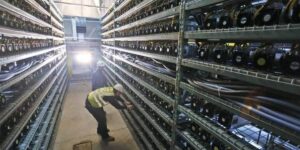
In the early days of Bitcoin mining, individuals with a basic computer and some spare time could mine for cryptocurrency from the comfort of their homes. However, as the Bitcoin network grew and evolved, solo mining became increasingly impractical due to the rising difficulty levels, halving events, and escalating hardware costs. Over time, mining pools emerged as a natural solution to these challenges, allowing individual miners to collaborate, share resources, and remain competitive in an ever-growing market.
For miners in Australia, the decision to join a mining pool becomes even more relevant due to several unique factors. High electricity prices, the growing difficulty of mining, and limited access to large-scale mining infrastructure make solo mining a costly and inefficient option. In this blog post, we’ll explore why joining a mining pool in Australia is the preferred choice for most miners today and how it can improve your profitability and efficiency.
What is a Mining Pool and How Does It Work?
Definition of a Mining Pool
A mining pool is a collective group of miners who combine their computational power (hashrate) to solve cryptographic puzzles and earn rewards together. Instead of mining solo and attempting to solve blocks individually, miners in a pool work collaboratively, increasing their chances of successfully mining a block. The rewards are then divided proportionally based on each miner’s contribution to the pool’s total hashrate.
How Do Mining Pools Operate?
Think of a mining pool like a lottery syndicate. When you join a lottery syndicate, you contribute a small amount of money to increase the collective chance of winning. If the syndicate wins, the prize is shared among all members based on their contribution. Similarly, in a mining pool, your computational power increases the chances of solving a block, and the block reward is distributed among the members based on how much hashrate they contributed.
Protocols like Stratum are used by mining pools to manage the distribution of tasks, ensuring that miners receive the right share of work. By reducing redundancy, these protocols allow miners to focus on solving specific parts of the puzzle, which speeds up the mining process and reduces wasted effort.
Understanding the Bitcoin Mining Landscape in Australia
Electricity Pricing in Australia
One of the primary factors that make solo mining impractical in Australia is the high cost of electricity. Mining Bitcoin requires an enormous amount of power, especially with ASIC miners that can consume over 3,000 watts per unit. In Australia, where electricity costs are among the highest in the world, the cost of running mining equipment can quickly outweigh the potential profits. For most miners, solo mining simply isn’t profitable when factoring in energy costs.
Regulatory Landscape in Australia
While cryptocurrency mining is legal in Australia, miners must comply with the Australian Taxation Office (ATO) guidelines, which treat mining as taxable income. This regulatory framework is designed to ensure transparency and proper taxation of mining activities. Miners should be aware of these obligations to avoid penalties.
Geographical Isolation and Network Latency
Australia’s geographical location can result in network latency, especially when miners are connecting to servers located overseas. This can reduce mining efficiency and lower the overall profitability of solo mining. The use of local infrastructure, such as mining farms and data centres that help minimise latency, becomes crucial for improving mining performance.
Opportunities in Renewable Energy
Australia is increasingly investing in renewable energy sources, such as solar and wind power. These resources present a unique opportunity for miners to tap into sustainable mining practices. Facilities powered by renewable energy are becoming more common, making it easier for miners to reduce operational costs and improve their environmental impact.
Challenges of Solo Mining in the Current Climate
Hashrate Competition
One of the key challenges for solo miners is the dominance of large industrial mining farms that control a significant portion of the Bitcoin network’s hashrate. With competition from these large entities, it becomes increasingly difficult for individual miners to mine blocks on their own.
Inconsistent Rewards
Solo mining often leads to inconsistent rewards. While large mining farms can consistently solve blocks, a solo miner may go weeks or even months without finding one. This variability makes it difficult for solo miners to maintain a steady income stream, and it increases the financial risk of mining.
Capital Costs
Solo mining requires significant upfront investment in hardware, cooling systems, and software. ASIC miners, which are essential for Bitcoin mining, can cost thousands of dollars. Additionally, miners are responsible for all operational costs, such as electricity and maintenance, which can add up quickly.
Technical Complexity
Mining Bitcoin solo requires managing full nodes, performing firmware updates, and ensuring proper network synchronisation. This technical complexity can be overwhelming for those who are not familiar with the inner workings of mining operations.
Benefits of Joining a Mining Pool
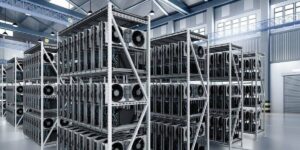
More Frequent Payouts
One of the primary benefits of joining a mining pool is the frequency of payouts. In a pool, the rewards are shared across the group, ensuring that miners receive regular payouts rather than waiting months for a single large reward. This provides more consistent income, which is crucial for miners in Australia, where operational costs are high.
Lower Barrier to Entry
Joining a pool enables miners with mid-range hardware to participate in the Bitcoin network. While solo mining often requires significant investment in high-end ASIC miners, mining pools allow miners to contribute with less powerful equipment and still earn rewards based on their contributions.
Operational Support
Many mining pools offer dashboards and other tools that help miners monitor and optimise their mining operations. These tools can provide valuable insights into hashrate, uptime, temperature, and other critical metrics, allowing miners to maximise efficiency.
Community and Collaboration
Mining pools foster a sense of community, where miners can collaborate, share tips, and access support channels. Experienced miners in the pool can help newcomers with technical challenges, making the entire process more accessible.
Efficient Use of Resources
By joining a mining pool, miners can reduce their individual power costs. Since the rewards are shared, and operational costs are spread across all participants, miners in a pool can leverage economies of scale to reduce their electricity expenses.
How Mining Pool Reward Systems Work
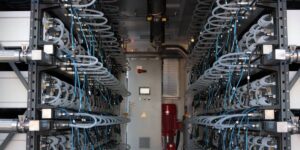
Mining pools use various reward distribution methods to ensure that all miners are compensated fairly for their contributions. The most common reward models are:
PPS (Pay-Per-Share)
PPS offers a stable and predictable income stream. Miners are paid based on the number of shares they contribute, regardless of whether the pool finds a block. However, this model comes with higher pool fees.
FPPS (Full Pay-Per-Share)
FPPS is similar to PPS but includes transaction fees in the payout. This model can be more profitable for miners, as it accounts for additional income from transaction fees, providing higher returns.
PPLNS (Pay-Per-Last-N-Shares)
PPLNS is a riskier model but potentially more rewarding over time. Miners are paid based on their shares during the last N blocks, which means that miners who contribute more consistently may receive higher payouts.
Proportional and Score-Based Models
These models are less common but still relevant in some mining pools. In a proportional model, miners are paid based on their contribution relative to the pool’s total shares. In a score-based model, miners’ shares are weighted based on the quality and timing of their contributions.
Choosing the Right Mining Pool for Australian Miners
When selecting a mining pool, Australian miners should consider several factors to ensure they choose the right one for their needs:
Server Proximity
Miners should opt for pools with servers located near Australia or within the Asia-Pacific region to minimise network latency and ensure better communication with the pool.
Fee Structures
Mining pools typically charge a pool fee of 1% to 4%. Miners should compare the fee structures of different pools and determine which offers the best balance of low fees and reliable payouts.
Reputation and Transparency
It’s essential to choose a mining pool with a good reputation and transparent operations. Pools should provide real-time stats, clear terms, and responsive support.
Pool Size and Hashrate
Larger pools offer more consistent payouts, but they may provide lower individual rewards. Smaller pools may offer higher returns per block but come with greater payout variance.
Supported Cryptocurrencies
Some pools allow miners to mine multiple cryptocurrencies, such as Bitcoin (BTC), Litecoin (LTC), and Ethereum Classic (ETC), which can be beneficial for miners looking to diversify their operations.
Step-by-Step Guide to Joining a Mining Pool in Australia
Step 1: Select Your Cryptocurrency
Most miners choose Bitcoin (BTC), but you can also mine other cryptocurrencies depending on the pool.
Step 2: Purchase and Set Up ASIC Hardware
ASIC miners, such as the Antminer S19, are essential for Bitcoin mining. Ensure that your hardware is optimised for the cryptocurrency you plan to mine.
Step 3: Install Mining Software
Use CGMiner or BFGMiner for ASIC hardware. These programs allow you to connect to your mining pool and start mining.
Step 4: Create a Wallet
Set up a crypto wallet to receive your payouts. This can be a hardware wallet, software wallet, or a pool-based wallet.
Step 5: Register with a Pool
Research reputable mining pools like F2Pool or ViaBTC, or use Mining Store-endorsed pools. Register and follow the setup instructions.
Step 6: Configure Your ASIC
Input the Stratum address, username, and port provided by the mining pool into your ASIC miner’s configuration settings.
Step 7: Monitor and Optimise
Use the pool dashboard to track performance, including hashrate, uptime, and temperature. Optimise your setup to maximise profitability.
Equipment Considerations to Join a Mining Pool
ASICs vs GPUs: Which Is Best for Pool Mining?
When it comes to Bitcoin mining, ASIC miners are the gold standard due to their high hashrate and energy efficiency. ASICs like the Antminer S19 are designed specifically for SHA-256 mining, providing a competitive edge in mining pools. In contrast, GPUs are more flexible and suitable for altcoin mining but lack the power required for Bitcoin mining at scale.
Impact of Hashrate and Energy Efficiency on Profitability
Hashrate directly impacts your share of the mining pool’s reward. The higher your hashrate, the more likely you are to earn consistent payouts. Energy efficiency is equally important, especially in Australia, where electricity costs are high. ASIC miners offer better energy efficiency than GPUs, making them the preferred option for Bitcoin mining.
Key Equipment Brands: Bitmain and Their Relevance to Australian Miners
Bitmain, with its Antminer S19, is the leader in ASIC mining. Australian miners benefit from these devices due to their high hashrates and energy efficiency, essential in Australia’s high electricity-cost environment. Mining Store also helps mitigate hardware supply chain challenges by offering hardware acquisition and setup services tailored to Australian miners.
Electricity Efficiency: Why It Matters More in Australia
Electricity costs in Australia are among the highest globally, making power efficiency a crucial factor for solo miners. For example, running high-powered ASIC units like the Antminer S19 24/7 can lead to significant electricity bills. Mining pools, especially those offered by Mining Store, help offset these costs by providing bulk energy deals and optimised facilities with better cooling systems, allowing miners to reduce their cost per kWh.
Comparing Popular Mining Pools (With Local Focus)
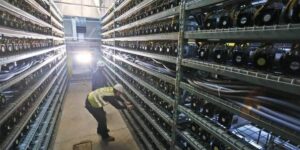
Engineer monitors mining hardware performance while evaluating Australian mining pools.
Mining Pools for Australian Miners
- Mining Store: Provides local infrastructure and mining pool hosting services, optimising latency and electricity costs for Australian miners.
- F2Pool: A global leader offering consistent payouts with servers in the Asia-Pacific region.
- ViaBTC: Supports a range of altcoins and has Asia-Pacific servers for better latency.
- Luxor: Known for customisation and low fees.
- Braiins Pool: Offers transparency and a fair mining environment.
Mining Store is an ideal option for Australian miners, providing tailored consultation, miner hosting, and access to optimised mining pools.
ASICs vs GPUs: What’s Better for Mining Pools?

While GPUs offer flexibility and can mine various altcoins, ASICs (Application-Specific Integrated Circuits) are the gold standard for Bitcoin mining due to their unparalleled efficiency.
Comparison:
| Factor | ASIC | GPU |
| Hashrate | Very high | Moderate |
| Energy efficiency | Highly efficient | Less efficient |
| Algorithm specificity | Single (SHA-256) | Versatile |
| Maintenance | Lower | Higher |
| Cost | High upfront | Moderate upfront |
For Bitcoin mining pools, ASICs are the superior choice:
- Pool shares are calculated based on hashrate—ASICs deliver higher contributions and thus, higher returns.
- ASICs are more profitable in high-difficulty environments, such as post-halving or network spikes.
Australia-based miners should consider ASIC units and partner with Mining Store to access ASIC-friendly hosting solutions and ongoing support.
Common Pitfalls to Avoid When Joining a Mining Pool
Joining a mining pool can be a lucrative way to participate in cryptocurrency mining, but there are several common pitfalls that miners should avoid to ensure maximum profitability and efficiency.
1. Choosing High-Fee or Unstable Pools
One of the biggest mistakes miners make is choosing pools with high fees or unstable infrastructure. While high-fee pools may offer tempting rewards, the additional cost can eat into your profits over time. It’s essential to balance pool fees with the pool’s reliability and payout frequency.
2. Not Checking Payout Thresholds
Many mining pools have minimum payout thresholds that must be met before earnings are distributed. Miners should always check the payout policies of a pool to ensure they don’t encounter long delays in receiving payments or find themselves locked into a pool with high payout thresholds that reduce liquidity.
3. Neglecting Network Latency
Network latency can significantly impact mining performance, especially for miners in geographically isolated locations. High latency can result in stale shares, where your contributions to the pool are rejected or rewarded less. Miners should always ensure they are joining a pool with servers close to their location to minimise latency and maximise efficiency.
4. Joining Pools That Lack Transparency
Pools that are not transparent about their operations, rewards structure, or fees should be avoided. It’s vital to join pools that provide clear, real-time data, including statistics on hashrate, block discovery, and payouts. Lack of transparency can lead to hidden fees or disputes over rewards.
5. Using Underpowered Hardware
Using underpowered hardware, such as outdated ASICs or GPUs, can hinder your mining efficiency and reduce your earnings. For Bitcoin mining, ASICs are essential to remain competitive, while GPUs are better suited for mining altcoins. Choosing the right hardware for the pool you are joining ensures maximum contribution and reward sharing.
Expert Support from Mining Store
Mining Store offers expert support to help miners avoid these common pitfalls. They provide tailored advice, including pool selection, hardware recommendations, and technical assistance, ensuring that new miners can confidently join the best pools and optimise their mining experience.
Pool Hopping: Why Loyalty in Mining Pools Pays Off
“Pool hopping” refers to the practice of frequently switching between pools in search of better payouts. While this may seem logical, it often backfires, especially in pools that use payout models like PPLNS (Pay-Per-Last-N-Shares) or score-based models. These systems reward miners who are consistent, penalising those who jump between pools too frequently.
Why Consistency Matters
- Reduced Shares: Switching pools often results in lost shares or reduced shares from a previous pool, resulting in lower payouts.
- Increased Variability: Pool hopping leads to greater variance in payouts, with fewer consistent earnings.
Benefits of Staying Loyal to One Pool
- Stable Earnings: Staying loyal to one pool allows miners to take advantage of favourable pool algorithms and enjoy more consistent payouts.
- Cumulative Benefits: Long-term participation in the same pool often results in access to benefits like upgrades, discounted fees, and better support.
Miners hosted with Mining Store benefit from expert-recommended pools designed for stability and long-term profitability, ensuring that miners can focus on consistent gains, rather than chasing the highest short-term rewards.
Latency and Geolocation: Why Server Proximity Matters for Australian Miners
Impact of Latency on Mining
Latency refers to the time it takes for your mining hardware to communicate with the pool’s server. High latency can lead to stale shares, which are rejected or rewarded less, thus reducing your overall hashrate and profitability. For Australian miners, joining a pool with local or nearby servers in the Oceania/Asia-Pacific region is crucial to minimising latency.
How Mining Store Helps Minimise Latency
Utilising Mining Store’s data centre hosting ensures that Australian miners benefit from optimal routing and peering to reduce latency, enhancing the performance of every mining operation. Minimising latency isn’t just about speed; it’s about ensuring that every watt of electricity and TH/s of performance translates into the maximum possible reward.
Hosting vs. Home Mining in Australia

Advantages of Data Centre Hosting
For Australian miners, hosting in a professional data centre, like those offered by Mining Store, provides several key advantages over home mining:
- Lower Power Costs: Hosting centres can negotiate bulk electricity deals, significantly reducing electricity expenses compared to home mining setups.
- Superior Cooling Systems: Hosted environments have professional-grade cooling systems that extend the lifespan of hardware, increasing mining efficiency.
- 24/7 Uptime and Security: Data centres ensure that mining equipment operates round-the-clock with maximum uptime and protection, something difficult to achieve with home mining setups.
- Reduced Noise and Heat Impact: ASIC miners are loud and generate a lot of heat, which can make home mining impractical for many. Hosting eliminates these lifestyle impacts.
Overall, data centre hosting offers a more reliable, efficient, and cost-effective solution for miners looking to maximise their returns in Australia’s challenging electricity market.
The Role of Bitcoin Halving Events in Pool Mining Strategy
Bitcoin’s halving events occur approximately every four years, reducing the block reward for miners by 50%. This impacts mining profitability, especially for solo miners with high electricity costs and inefficient equipment. After halving, solo miners may find it challenging to stay profitable without access to cheap electricity or large-scale operations.
In contrast, mining pools provide consistent payouts even when individual share values drop due to halving. Pools with FPPS (Full Pay-Per-Share) models, which include transaction fees, offer miners additional protection against the reduced block reward, making pool mining a stable option during these times.
For Australian miners, participating in a mining pool during and after halving events ensures that they can continue earning regularly despite fluctuations in reward value, smoothing out the impact of halving.
How to Use a Bitcoin Mining Calculator to Predict Pool Profits

A Bitcoin mining calculator is essential for estimating the profitability of pool mining. Miners can input key data such as hashrate, power consumption, electricity cost, and pool fees to calculate daily, monthly, and annual profits.
For example, using the Antminer S21 (200TH/s) as a case study, miners can simulate their potential earnings with different pools and configurations, factoring in the high energy costs in Australia. This helps miners determine the most profitable pool and setup, making the decision-making process more informed and data-driven.
Miners can also consider using Mining Store’s profitability calculator to simulate multiple pool options and determine which provides the most consistent returns, optimising their mining setup for long-term profitability.
Product Highlight: Bitmain Antminer S21 200TH/s — Ideal for Hosted Pool Mining
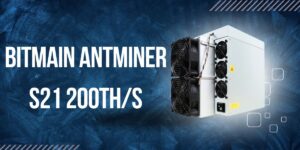
Product Overview:
- Model: Bitmain Antminer S21 (200TH/s)
- Algorithm: SHA-256
- Hashrate: 200TH/s
- Power Consumption: 3725W
- Price: $6,999.00 (inc. GST)
The Bitmain Antminer S21 is a state-of-the-art ASIC miner built specifically for Bitcoin mining. With a powerful hashrate of 200TH/s and a highly efficient design, it is the ideal choice for miners looking to optimise their performance in pool mining environments.
Why It’s Perfect for Pool Mining:
- High Hashrate for Greater Pool Contribution: With its impressive 200TH/s hashrate, the Antminer S21 ensures that you contribute significantly to your mining pool, resulting in higher earnings. The more computational power you bring to the pool, the larger your share of the rewards.
- Efficiency to Lower Cost-Per-Coin: This machine is built for maximum energy efficiency, which is essential in reducing your electricity costs per coin mined. The Antminer S21’s optimised power consumption helps maximise profitability, even in regions with high electricity rates like Australia.
- Ideal for Pool Models: The Antminer S21 is designed to perform exceptionally well with pool models like FPPS (Full Pay-Per-Share) and PPS (Pay-Per-Share), where a high hashrate translates to higher rewards. These models ensure more frequent payouts, and with the Antminer S21, you are set up to maximise those rewards.
Delivery Options:
- Hosted: The Antminer S21 can be shipped to Mining Store’s secure EU data centre, where it is efficiently set up, ensuring a hands-off management experience for you. This option is ideal for miners looking for professional-grade hosting services.
- Shipped: Alternatively, the Antminer S21 can be shipped directly to your location via FedEx, DHL, or UPS, with an estimated delivery time of 5–7 business days.
Customer Support:
Due to the high demand for Bitmain Antminer S21, stock may be limited. If you need assistance with availability or shipping, the Mining Store team is available to provide stock updates and answer any questions regarding delivery.
Call to Action:
Ready to maximise your mining potential with the Antminer S21? Visit Mining Store’s Hosting Facilities today to place your order or inquire about hosting options. Get started now and ensure your mining operations are optimised for maximum efficiency and profitability.
Conclusion: Why Pool Mining is the Smart Choice for Australian Miners
For Australian miners, pool mining offers a more practical, efficient, and profitable approach compared to solo mining. With high electricity costs, network latency, and the technical challenges of solo mining, joining a pool allows miners to stay competitive. Pool mining provides frequent payouts, lower operational costs, and the added benefit of being part of a community of experienced miners.
If you’re ready to optimise your mining operations, Mining Store’s Miner Hosting Service is the perfect next step. They offer premium ASIC hosting, access to trusted mining pools, and local support tailored to the Australian market. By partnering with Mining Store, you can reduce overheads, maximise efficiency, and boost your overall returns.
Explore Mining Store’s Crypto Mining Hosting Facilities to enhance your mining performance today.