
Introduction to ASIC Miners
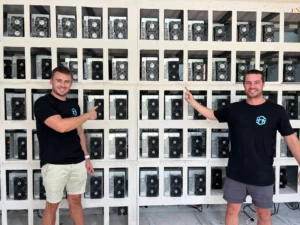
Cryptocurrency mining has evolved drastically since its early days. What started as a way for enthusiasts to earn digital currency through personal computers has now become a highly specialized industry. ASIC miners, or Application-Specific Integrated Circuit miners, are at the heart of modern mining operations. These machines are designed specifically for one task: to mine cryptocurrencies with efficiency and speed.
In this article, we will dive deep into what ASIC miners are, how they work, and why they matter, particularly in the context of ASIC mining profitability in Australia. With Australia becoming a more prominent player in the crypto mining world, understanding the local environment, energy considerations, and profitability factors is crucial for both novice and experienced miners.
What Is ASIC Mining?
Definition and Function
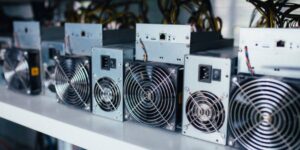
ASIC mining involves the use of specialized hardware built specifically to solve cryptographic puzzles required for validating blockchain transactions. Unlike general-purpose computers, ASIC miners are custom-designed to perform only one task — mining a specific cryptocurrency. This makes them far more efficient than other types of hardware, such as CPUs and GPUs.
The role of an ASIC in cryptocurrency mining is crucial for maintaining the integrity and security of blockchain networks, especially for Bitcoin. These machines are responsible for solving the complex mathematical problems that secure transactions and verify them on the blockchain.
Mechanics of Operation
The process starts when an ASIC miner connects to a mining pool. Mining pools are networks where miners combine their computational resources to solve cryptographic puzzles faster and share rewards. The ASIC miner works by repeatedly performing hashing functions to attempt to solve the puzzle. Upon success, the miner earns block rewards, typically in the form of the cryptocurrency being mined, such as Bitcoin.
Difference from Other Hardware
- CPU Mining: Early on, miners used their central processing units (CPUs) to mine cryptocurrencies. However, CPU mining is now inefficient due to the high difficulty level of modern networks and the low processing power of CPUs compared to ASIC miners.
- GPU Mining: Graphics Processing Units (GPUs) were another popular choice for mining, particularly in the case of Ethereum mining. GPUs are more versatile than CPUs and capable of performing parallel processing. However, they are still much slower and less energy-efficient than ASIC miners when it comes to mining Bitcoin or other cryptos that use SHA-256 as their algorithm.
- ASIC Mining: In comparison, ASIC miners are much more efficient. They are designed specifically for Bitcoin mining or mining other cryptocurrencies using similar algorithms. These miners outperform both CPUs and GPUs in terms of speed and power consumption.
How ASIC Miners Work
Role in Blockchain Validation and Transaction Processing
The primary function of an ASIC miner is to validate blockchain transactions by solving complex cryptographic puzzles. This process is essential for ensuring the security and decentralisation of the blockchain network. As miners validate transactions, they also create new blocks and maintain the blockchain’s ledger.
Overview of Hashing Algorithms
The process of mining involves performing hashing functions on the transaction data to ensure it is secure and unaltered. Different cryptocurrencies use different hashing algorithms. For instance, Bitcoin uses the SHA-256 (Secure Hash Algorithm 256-bit) algorithm, while other coins like Litecoin use Scrypt.
- SHA-256: Used by Bitcoin and several other altcoins, it requires significant computational power, making it ideal for ASIC mining.
- Scrypt: Often used for Litecoin, Scrypt is less resource-intensive than SHA-256, making it better suited for GPUs but still mineable with ASICs.
Power and Speed Advantages
ASIC miners have a significant advantage over GPU and CPU miners when it comes to both speed and power efficiency. These machines are designed to calculate hashes at extraordinarily high speeds while consuming significantly less power. For example, the Antminer S21 Pro has a hash rate of 110 TH/s, making it capable of solving puzzles much faster than traditional mining rigs.
Description of Components
ASIC miners are composed of several key components:
- Chips: The primary hardware responsible for computing the cryptographic functions.
- Power Supply: Ensures the miner receives the correct voltage to function efficiently.
- Cooling System: ASICs generate a lot of heat, requiring effective cooling mechanisms (air, liquid, or immersion cooling) to maintain optimal performance.
- Control Board: The brain of the operation, controlling the miner’s operations, updating firmware, and monitoring performance.
Popular ASIC Mining Algorithms and Use Cases
Overview of Major ASIC Algorithms
There are several ASIC-compatible algorithms, each tailored to mine specific cryptocurrencies. Some of the most well-known include:
- SHA-256: Used by Bitcoin, Bitcoin Cash, and other Bitcoin-based coins.
- Scrypt: Commonly used by Litecoin, Dogecoin, and several other altcoins.
- Kadena: A newer algorithm used by Kadena coin.
- Blake2S: Used by Kaspa and other coins in the Blake family.
Coins Mined with These Algorithms
- Bitcoin and Bitcoin Cash are mined using the SHA-256 algorithm.
- Litecoin and Dogecoin rely on Scrypt.
- Kaspa uses the Blake2S algorithm.
Mining Profitability and Use Case Comparison by Algorithm
Each algorithm has its own set of profitability factors, including the difficulty level, hash rate, and energy consumption. For instance, SHA-256 coins like Bitcoin offer high block rewards but require powerful ASIC miners and consume significant amounts of electricity. On the other hand, Scrypt mining offers more accessibility for those using mid-range ASIC machines.
Why ASIC Mining Matters in 2025

Rise of ASIC Technology
Since the introduction of ASIC miners in 2013, the technology has evolved rapidly. ASIC miners are now more powerful and energy-efficient, making them the dominant choice for Bitcoin mining and other cryptocurrencies. As mining difficulty increases, ASIC miners are the only way to remain competitive.
Market Dominance
ASIC miners now dominate Bitcoin mining. The increasing difficulty of mining, coupled with the decreasing rewards due to Bitcoin halving events, makes ASIC miners essential for profitable mining.
Future-Proofing Operations
As mining difficulty increases with each Bitcoin halving event, ASIC miners will become even more important. Their high efficiency and power make them the best option for miners looking to remain competitive in the face of changing market conditions.
The ASIC Hardware Landscape
Popular ASIC Models
Some of the most popular ASIC miners on the market include:
- Bitmain Antminer S21 Pro: Known for its high efficiency and hash rate, making it ideal for Bitcoin mining.
- WhatsMiner M63S+: A reliable option for miners seeking efficiency and performance.
- Avalon ASICs: Offer a balance between performance and cost, suitable for both beginners and experienced miners.
Technical Specifications
When choosing an ASIC miner, it is important to consider the following specifications:
- Hash rate (TH/s): A measure of the miner’s processing power.
- Energy consumption (W): The amount of electricity consumed.
- Efficiency (J/TH): A measure of how much energy is used per hash.
- Heat and noise output: A consideration for installation.
Performance Benchmarks
Real-world data shows that ASIC miners like the Antminer S21 Pro can achieve a hash rate of 110 TH/s with an energy consumption of 3250 W, making them highly efficient for Bitcoin mining in the Australian climate.
How to Set Up an ASIC Mining Rig in Australia
Selecting the Right Hardware
When setting up an ASIC mining rig in Australia, it’s crucial to select the right hardware based on your budget, desired performance, and energy efficiency.
Installation Requirements
- Physical Space: Ensure you have enough space for the mining equipment.
- Power Supply: ASIC miners consume a lot of power, so make sure you have a sufficient power supply and can handle the associated costs.
- Cooling Systems: Depending on your local climate, you may need air cooling, liquid cooling, or immersion cooling to prevent overheating.
Software and Configuration
Once the hardware is set up, you’ll need to install the appropriate firmware and configure the system to connect to mining pools and monitor performance. Tools like Hive OS can help manage and monitor ASIC miners.
Profitability Factors Specific to Australia
Electricity Costs
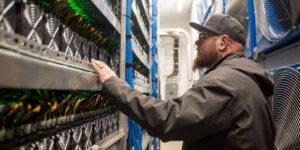
Electricity is one of the most significant operational costs for ASIC mining. In Australia, electricity prices can vary greatly from state to state. For example, Queensland has lower electricity costs compared to Victoria. Understanding these costs is critical when calculating profitability.
Climate Considerations
In cooler regions like Tasmania, natural cooling can help reduce the need for additional cooling systems. However, in hotter areas like Queensland, extra cooling infrastructure may be necessary to maintain optimal mining conditions.
Government Policy and Regulation
The Australian government has introduced various policies related to energy consumption and taxation. These may influence the profitability of mining in specific regions. Be sure to stay updated on any changes to regulations that may affect mining operations.
Calculating ASIC Mining Profitability
When considering ASIC mining, one of the most crucial factors for success is accurately calculating profitability. This involves assessing several variables, including the cost of electricity, the performance of your hardware, and the overall market conditions. Fortunately, there are profitability calculators that can help miners make these calculations easily, providing a better understanding of the potential returns and risks involved.
Using Profitability Calculators
To estimate ASIC mining profitability, tools like Mining Store’s Profitability Calculator and ASIC Miner Value can be extremely helpful. These platforms allow miners to input essential details, such as hash rate, electricity costs, and mining difficulty, to calculate potential daily earnings, break-even points, and ROI (Return on Investment).
Key Variables for Profitability Calculations
There are several key variables that directly impact the profitability of ASIC mining:
- Bitcoin Market Price: The current price of Bitcoin plays a significant role in determining your earnings. As Bitcoin prices fluctuate, so does the profitability of mining.
- Mining Difficulty: As more miners join the network, mining difficulty increases. This means that miners require more computational power to solve cryptographic puzzles and validate transactions.
- Network Hash Rate: The overall network hash rate impacts the difficulty of mining. A higher network hash rate means more competition for mining rewards.
- Electricity Consumption: The electricity consumption of your ASIC miner directly affects your costs. The higher the energy consumption, the more expensive your mining operation becomes.
ROI Analysis: Understanding Payback Period and Breakeven Analysis
Payback Period
The payback period refers to the time it takes to recover your initial investment in mining hardware. To calculate this, you’ll need to estimate the total cost of your ASIC miner and divide it by your expected daily earnings, factoring in electricity costs and mining rewards.
Breakeven Analysis
Breakeven analysis helps you understand when you will begin making a profit from your ASIC mining operation. It’s important to calculate how long it will take for your mining rewards to offset the initial hardware investment and ongoing electricity costs.
Impact of Market Volatility
The volatility of the Bitcoin market is a key risk factor. Significant price drops, often seen in bear markets, can drastically affect your ROI and profitability. As Bitcoin’s price fluctuates, so too does the value of the rewards you earn from mining.
Maximising Mining Efficiency and ROI
In addition to calculating profitability, miners can employ various strategies to maximise mining efficiency and improve ROI.
Mining Pool Participation
Joining a mining pool offers significant advantages over solo mining, especially when it comes to consistent payouts. By pooling resources with other miners, you increase your chances of earning block rewards, providing more regular payouts. This is crucial for improving cash flow and reducing volatility in earnings.
Benefits of Steady Payouts vs Solo Mining Risks
Solo mining comes with the risk of longer periods without rewards. Mining pools allow for more frequent payouts by sharing rewards amongst participants based on their contribution, reducing the inherent risks of solo mining.
Firmware Tuning: Boosting Hash Rate and Reducing Power Draw
Optimising your ASIC miner’s firmware can significantly improve its hash rate and reduce power consumption. Firmware updates or custom tuning can help you get the most out of your hardware, maximising efficiency and profitability. Fine-tuning settings can also improve the miner’s stability, ensuring longer operational life and better performance.
Cooling Optimisation
Proper cooling is essential to maintain the longevity and efficiency of ASIC miners. In regions like Australia, where temperatures can vary significantly, you may need to invest in airflow design, solar panels, or off-peak electricity to reduce cooling costs.
Use of Solar Panels and Off-Peak Electricity
Utilising solar panels can significantly reduce your electricity costs, especially if you live in a sunny area. Additionally, running your ASIC miner during off-peak electricity hours can reduce costs, particularly in areas with higher energy rates.
Hosting Services: Outsourcing Operations
Hosting services allow you to outsource the operation of your ASIC miners to locations with more favourable electricity rates or climates. This is particularly useful for miners who are unable to set up their own operations at home due to zoning restrictions, noise issues, or high energy costs.
How to Calculate ASIC Mining Profitability in 2025
Tools: Bitcoin Mining Calculators and Energy Cost Models
To calculate ASIC mining profitability in 2025, you can use Bitcoin mining calculators like those provided by Mining Store or ASIC Miner Value. These tools take into account the current Bitcoin market price, mining difficulty, network hash rate, and electricity consumption to provide an accurate estimate of potential returns.
Example Calculations with Real ASICs and Real Australian Electricity Prices
For example, if you’re using a Bitmain Antminer S21 Pro (hash rate: 110 TH/s) in Sydney, Australia, with an average electricity rate of $0.25 per kWh, you can use the calculator to estimate how much you would earn daily, factoring in your hardware cost and other variables.
Break-even Analysis: How Long to Recoup Hardware Investment
Break-even analysis is crucial for understanding how long it will take to recover the cost of your ASIC miner. By considering all the key variables such as mining rewards, electricity consumption, and hardware cost, you can determine the time it will take to recoup your investment.
ROI and Payback Timeframes in Different Australian States
ROI and payback timeframes can vary significantly across different Australian states due to differences in electricity rates and climate conditions. For example, Queensland may offer lower electricity costs, but Victoria could require additional cooling due to higher temperatures.
Risks and Challenges in ASIC Mining

Hardware Obsolescence: Fast-Paced Innovation Requiring Regular Upgrades
ASIC mining hardware evolves rapidly. ASIC miners can become obsolete quickly due to technological advancements, requiring regular upgrades to stay competitive.
Price Volatility: How Bear Markets Affect ROI
The value of Bitcoin can fluctuate significantly, especially during bear markets, making it difficult to predict ROI and profitability over the long term. Miners must be prepared for the inherent volatility in cryptocurrency prices.
Operational Downtime: Impact of Outages, Hardware Failures, and Overheating
Operational downtime due to hardware failures or overheating can severely affect mining profitability. It’s essential to have backup systems in place and ensure that your cooling systems are working optimally.
Regulatory Risks: Potential for Legal Changes That Could Affect Mining Feasibility
Changes in government regulations could impact the feasibility of ASIC mining. This includes potential changes in taxation, energy usage regulations, and zoning laws. Miners need to stay informed about regulatory updates.
Alternative Crypto Mining Strategies
Cloud Mining: Pros and Cons, Cost Structure, and Reliability
Cloud mining allows individuals to mine cryptocurrencies without owning hardware. While it can be convenient, it often comes with higher fees and less control over the mining process.
Altcoin Mining and Conversions: Using ASICs for SHA-256 Altcoins and Converting to BTC
Miners can use ASICs designed for SHA-256 mining to mine altcoins and then convert the rewards into Bitcoin. This is a good strategy if Bitcoin mining becomes too competitive or less profitable.
Hashpower Selling: Platforms Like NiceHash Allowing Miners to Sell Computing Power Instead of Coins
Hashpower selling allows miners to rent out their computing power to others through platforms like NiceHash. This can be a flexible way to earn income without being tied to a specific cryptocurrency.
Mining Pools: Enhancing ASIC Profitability
What Mining Pools Are and Why They Matter
Mining pools combine the computational power of multiple miners, allowing them to share mining rewards. This is crucial for ASIC miners, as pooling resources increases the chances of earning consistent payouts.
Top Bitcoin Mining Pools Accessible from Australia
Some popular Bitcoin mining pools accessible from Australia include Mining Store, Antpool, and Slush Pool. These pools provide steady payouts and are known for their reliability.
Payout Structures and Fee Comparisons
Each mining pool has its own payout structure and fee model. It’s important to compare these factors before joining a pool to ensure you’re getting the best value.
Solo Mining vs Pool Mining Economics
Solo mining offers higher potential rewards, but it’s riskier and less consistent. Mining pools offer lower but steady payouts, which can be more profitable in the long run.
Hosted vs Home Mining in Australia
![]()
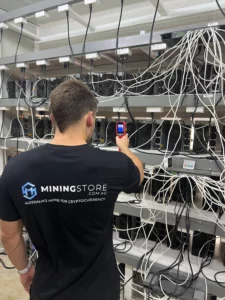
Hosted Mining: Benefits, Risks, and Mining Store’s Data Centre Hosting
Hosted mining allows miners to outsource their operations to a data centre, reducing the burden of maintenance, cooling, and energy costs. Mining Store’s data centre hosting provides an affordable, efficient option for Australian miners.
Home Mining: Power Infrastructure, Noise, Zoning Restrictions
Home mining can be challenging due to zoning restrictions, power infrastructure requirements, and noise issues. It’s important to consider local regulations and your home’s electrical capacity before setting up.
Hybrid Approaches for Mid-Sized Investors
Product Highlight: Bitmain Antminer KS7 40TH/s
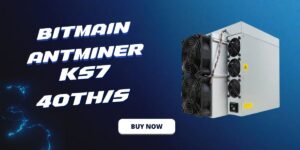
Specs Breakdown: 40TH/s Hash Rate, 3080W Power Consumption
Ideal for SHA-256 Coins Like Bitcoin
This miner is specifically designed for SHA-256 coins, ensuring optimal performance and energy efficiency.
Price: $15,999.00 AUD incl. GST
At $15,999.00 AUD including GST, the Antminer KS7 offers mid-range affordability for medium-scale miners.
Who It’s Best For: Medium-Scale Miners with Access to Affordable Power
This miner is ideal for those with access to affordable electricity, looking for a balance between energy efficiency and performance.
Profit Simulation with Australian Energy Rates
Simulate potential earnings using Australian electricity rates to evaluate the profitability of the Antminer KS7 in your region.
Conclusion
In conclusion, ASIC mining remains a profitable venture for cryptocurrency miners in Australia, provided they carefully consider factors such as electricity costs, climate conditions, and government regulations. As the mining industry continues to evolve, ASIC miners will remain a crucial part of the ecosystem, ensuring the security and decentralisation of blockchain networks.